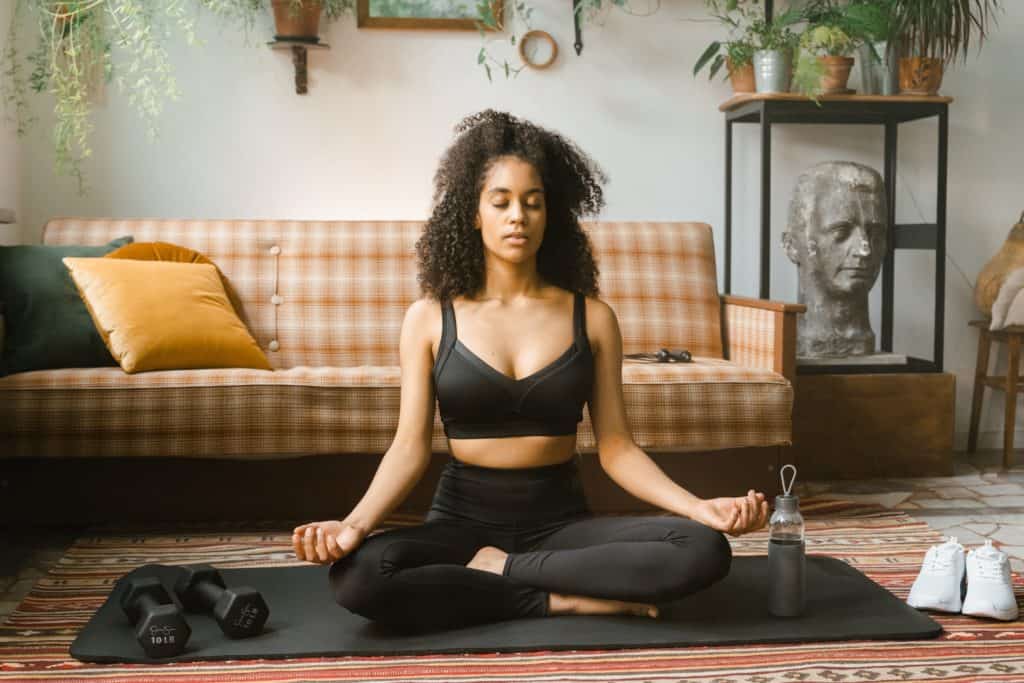
Boxing is an extremely effective full-body workout: it improves your endurance, strengthens your entire body, helps reduce stress, and boosts self-confidence. At the same time, it trains your coordination, speed, and concentration. But especially when you’re just starting out, a lot of questions often come up: Do I need prior experience? What does a boxing class actually look like? And where can I find suitable studios that offer boxing classes for beginners? In this article, you’ll find answers to all these questions – so nothing stands in the way of your successful start in boxing.
What Is Boxing – and Why Should You Give It a Try?
Boxing is a combat sport that combines technique, speed, endurance, and mental strength. Boxing isn’t simply about throwing punches and pushing yourself to the limit. During training, you’ll learn precise movement patterns, improve your reaction time, and strengthen your entire body.
Today, boxing is also incredibly popular as a fitness workout. Many classes combine traditional boxing techniques with functional training, cardio sessions, and strength exercises. This makes training both varied and intense—without requiring you to step into a ring. Regular boxing training can also improve your overall fitness, strengthen your posture, and help you relieve stress and clear your mind.
Who Is Boxing Suitable For?
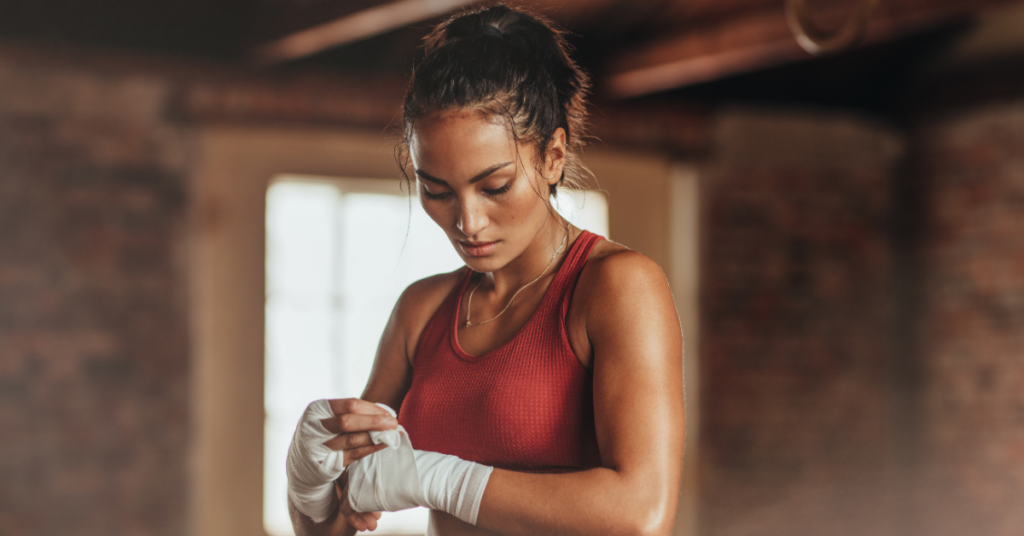
The short answer: everyone. You don’t need to be particularly fit or have any previous combat sports experience to start boxing. Boxing can be adapted to your individual fitness level. Whether you’re looking to improve your endurance, build muscle, or simply find an active balance to your daily routine, boxing training can be tailored to your needs.
| With Urban Sports Club, you’ll find boxing studios suitable for every fitness level. Discover a location near you today. |
What Types of Boxing Training Are Suitable for Beginners?
Not all boxing training is the same. Depending on the studio and class format, sessions can be structured quite differently. These variations are particularly suitable for beginners:
Traditional Boxing Training
Here, you’ll learn the fundamentals of boxing: punching techniques, footwork, guard position, and movement patterns. Training often includes heavy bag work, partner drills, and technical exercises. It’s ideal for building a solid foundation.
Fitness Boxing
Fitness Boxing focuses primarily on the workout itself. Classes combine boxing movements with HIIT, strength, and cardio elements. You’ll get an intense workout without sparring—controlled practice fighting—necessarily being part of the session. Perfect if you’re looking to challenge yourself while improving your fitness.
Boxing Conditioning
This training style focuses on muscular endurance, speed, and functional exercises. Movements such as burpees, jump rope, and core exercises are often combined with boxing drills. It’s especially suitable if your goal is to improve your overall fitness.
Kickboxing
Kickboxing combines traditional boxing techniques with kicks from martial arts. This makes training even more dynamic while also challenging your balance and mobility. Beginners are best suited to Basic or Level 1 classes, as the exercises are specifically adapted to entry-level participants.
8 Boxing Fundamentals for Beginners
You’ll come across these basics in almost every first boxing class. Knowing them beforehand can make getting started much easier.
1. The Stance
Proper stance is the absolute foundation of boxing. You stand slightly sideways, knees softly bent, and your hands protecting your face (known as your guard position). Which foot stands in front depends on your dominant hand:
Right-handed boxers (Orthodox stance): Your left foot and left hand (lead hand) are in front. Your stronger right hand stays back near your chin.
Left-handed boxers (Southpaw stance): The opposite applies—your right foot and right hand are in front, while your left hand delivers power shots from the rear.
2. The Jab
The jab is a quick straight punch thrown with your lead hand—usually your less dominant hand. It helps control distance and set up combinations. Almost every punch combination begins with a jab.
3. The Cross
The cross is a straight punch thrown with your rear hand. Much of its power comes from the rotation of your hips and upper body. Together with the jab, it forms the most important punch combination in boxing.
4. The Hook
The hook is a punch thrown from the side and particularly develops rotational power and coordination. A stable posture and proper technique are essential here.
5. Footwork
Good footwork is crucial in boxing. You’ll learn how to move quickly and efficiently while maintaining balance. Many beginners underestimate just how important footwork is for overall performance.
6. Guard and Defense
Boxing isn’t only about attacking. Defending yourself and keeping your guard up are equally important. Defensive techniques are therefore part of training from day one.
7. Heavy Bag Training
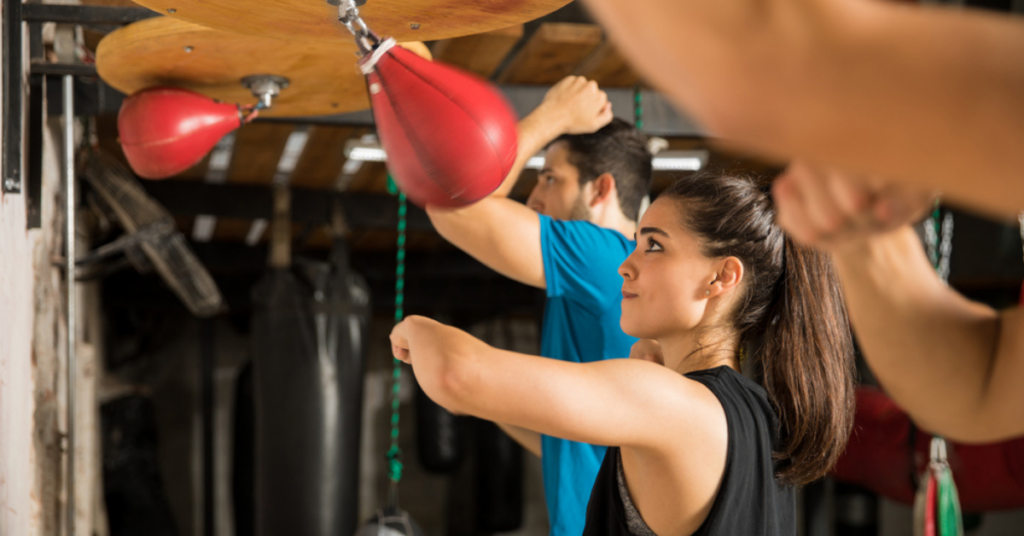
Working on the heavy bag helps you practice punch combinations, improve endurance, and develop rhythm. It’s also an excellent way to build power and repeat newly learned techniques until the movements become second nature.
8. Jump Rope
Jumping rope is a classic part of boxing training. It improves endurance, coordination, and speed while also serving as an effective warm-up.
What Equipment Do You Need for Boxing?
You don’t need much equipment to get started. Many studios allow you to borrow the basics until you’ve decided whether boxing is right for you.
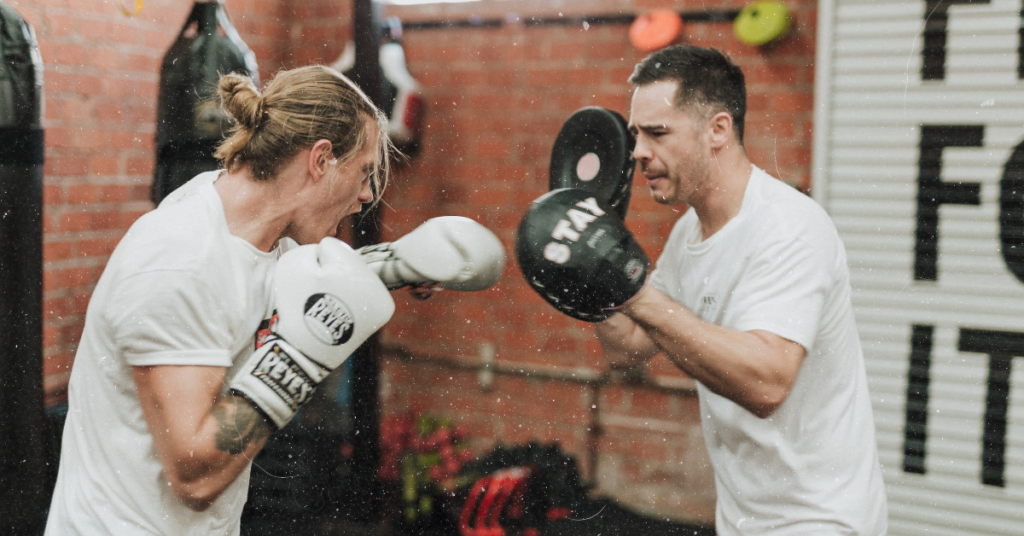
Boxing Gloves: The most important piece of equipment. Beginners should look for gloves with good padding and sufficient wrist support.
Hand Wraps: These stabilize your wrists and fingers while protecting your hands during training. Hand wraps should always be worn underneath your gloves.
Good to know: Boxing gloves and hand wraps absorb a lot of sweat. Let your gloves air out after every training session and wash your wraps regularly to maintain proper hygiene.
Sportswear: Comfortable clothing that allows you to move freely is perfectly sufficient. Breathable fabrics are particularly important, as boxing training can be very intense.
Indoor Training Shoes: Many studios require clean indoor shoes. Some classes, however, are conducted barefoot.
Jump Rope: Optional for training at home, but ideal for improving endurance and coordination outside of class.
What Does Your First Boxing Class Look Like?
First things first: beginner classes are specifically designed to introduce the fundamentals step by step, so you can approach your first boxing session with confidence.
Training usually begins with a warm-up, often consisting of mobility exercises, jump rope, or light cardio. This is followed by technical drills, where you’ll learn basic punches, movement patterns, and simple combinations. Depending on the class, you’ll then work on the heavy bag or practice with a partner. Sessions often end with an intense conditioning segment followed by a cool-down.
At the beginning, the goal is simply to develop a feel for the movements and enjoy the training process.
8 Tips for Getting Started with Boxing
- Start with a beginner class: This allows you to learn the fundamentals safely and correctly.
- Arrive a little early: You’ll have time to wrap your hands, put on your gloves, and ask any questions.
- Don’t feel intimidated: Everyone starts somewhere. If you stick with it, the movements will soon feel much more natural.
- Focus on technique over power: Clean movements are more important than hard punches.
- Stay relaxed and remember to breathe: Beginners often tense their shoulders and arms unnecessarily and tend to hold their breath. Try to maintain steady breathing throughout the session.
- Drink enough water: Boxing training is intense and sweaty, so make sure you stay hydrated before, during, and after class.
- Listen to your body: Take breaks when you need them.
- Stay consistent: With one to two sessions per week, you’ll quickly start noticing progress.
Boxing for Beginners: Get Started Easily with Urban Sports Club
With Urban Sports Club, you’ll have access to numerous boxing studios and classes across Germany—from traditional boxing training and Fitness Boxing to kickboxing and functional boxing workouts. Whether you prefer training in a group, want to learn proper technique, or simply want to push yourself physically, you’ll find a wide range of partner studios to choose from. Try different class formats and instructors to discover which style suits you best.
Why do you want to start boxing, and what experiences have you had so far? Feel free to share your tips and insights with the community so that other beginners can benefit as well. Enjoy your journey toward better fitness, greater mental strength, and increased self-confidence.
Frequently Asked Questions About Boxing for Beginners
Do I need to be fit to start boxing?
No. Beginners gradually build endurance, strength, and coordination through training. You don’t need any special level of fitness to get started.
Is Boxing dangerous?
In beginner classes, the focus is on technique and fitness. Sparring is usually optional or introduced later on. With proper instruction and the right equipment, boxing training is very safe.
How often should beginners train?
One to three sessions per week is ideal for making progress while still allowing enough time for recovery. You can also jump rope or do other cardio exercises at home to improve your overall fitness. Shadowboxing is another great option for training outside of class.
What is Shadowboxing?
Shadowboxing involves practicing punch combinations and movements without an opponent. It helps improve technique, coordination, and footwork. Shadowboxing is ideal for beginners and a great way to rehearse movement patterns.
Do I need my own Boxing Gloves right away?
For your first few sessions, many studios provide gloves for rent or loan. In the long run, however, investing in your own pair is worthwhile for hygiene reasons. The same applies to hand wraps, which are worn underneath the gloves.
Can Boxing help me loose weigth?
Yes. Boxing training burns a significant number of calories while combining cardio and strength training. When paired with a balanced diet, boxing can be highly effective for weight loss.
What’s the difference between boxing and kickboxing?
Traditional boxing focuses exclusively on punches using the hands. Kickboxing adds kicks and incorporates elements from various martial arts. Both sports provide an intense workout that improves endurance, strength, and coordination.