From strengthening your bones to supporting hormonal balance, regular strength training not only improves body awareness, but can also boost overall health in the long run.
To understand what really matters when training, we spoke with Petra – a certified fitness trainer and Social Media Manager at Urban Sports Club. She has been lifting weights for over ten years and knows exactly which myths about women and strength training just won’t die – and how to move past them.
6 Benefits of Strength Training for Women
“Many women underestimate how much strength training impacts the entire body,” Petra explains. “It’s not just about building muscle – it’s about health, energy, and confidence.”
1. Prevention of Osteoporosis
One of the biggest benefits is osteoporosis prevention. Hormonal changes – especially during and after menopause – increase the risk of bone loss. Regular, progressive strength training strengthens bone density and actively counteracts this process. It also improves mobility, posture, and everyday strength – whether you’re carrying groceries or climbing stairs.
2. Metabolism & Body Composition
Muscle tissue is more metabolically active than fat. The more muscle mass you have, the higher your resting energy expenditure. Petra says: “Strength training helps define the body and makes you feel stronger and more energized.”
3. A Healthy Back & Better Posture
A strong core helps prevent back pain and improves posture – especially if you sit a lot. A stable midsection not only makes daily movement easier, but it also gives you more control, balance, and a better sense of your body.
4. Mental Strength & Wellbeing
Regular training releases dopamine and endorphins – lifting your mood and reducing stress.
5. Injury Prevention & Stability
Strong muscles stabilize your joints and help prevent injuries – in sports and in daily life. Good muscle strength also helps absorb falls and maintain mobility well into older age.
6. The Perfect Complement to Other Sports
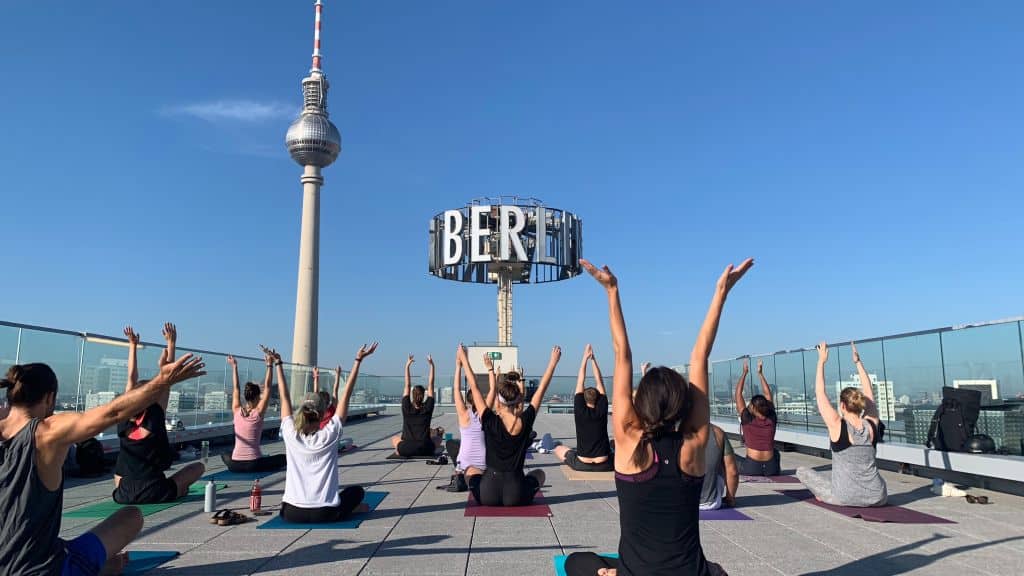
Strength training doesn’t just build muscle – it improves endurance, coordination, and stability. This enhances performance in almost every sport. Whether yoga, running, or team sports: strength training is the ideal complement for more efficient and balanced workouts.
2 Persistent Myths About Women & Strength Training


“I hear it all the time: women don’t want to lift weights because they’re afraid of getting ‘too muscular’,” Petra says. “But that’s just a myth.”
Myth 1: Strength Training Makes Women ‘Bulky’
Women produce about 10 to 20 times less testosterone than men – the hormone responsible for extreme muscle growth. “Even with intense training, it’s biologically almost impossible to suddenly look like a bodybuilder,” Petra explains. Instead, strength training helps create a more defined, toned look.
A beginner can gain around 0.35 to 0.75 kg of pure muscle per month with optimal progressive training, enough protein, and proper recovery – depending on nutrition, training quality, genetics, hormone levels, and rest.
Myth 2: Only Cardio Helps With Weight Loss
“Many people focus mainly on cardio, even though targeted strength training combined with cardio and the right nutrition is more effective,” Petra says. Cardio burns more calories in the moment, but muscle increases long-term calorie burn at rest. Strength training therefore improves body composition and metabolism in a sustainable way.
Effective Strength Training Exercises for Women
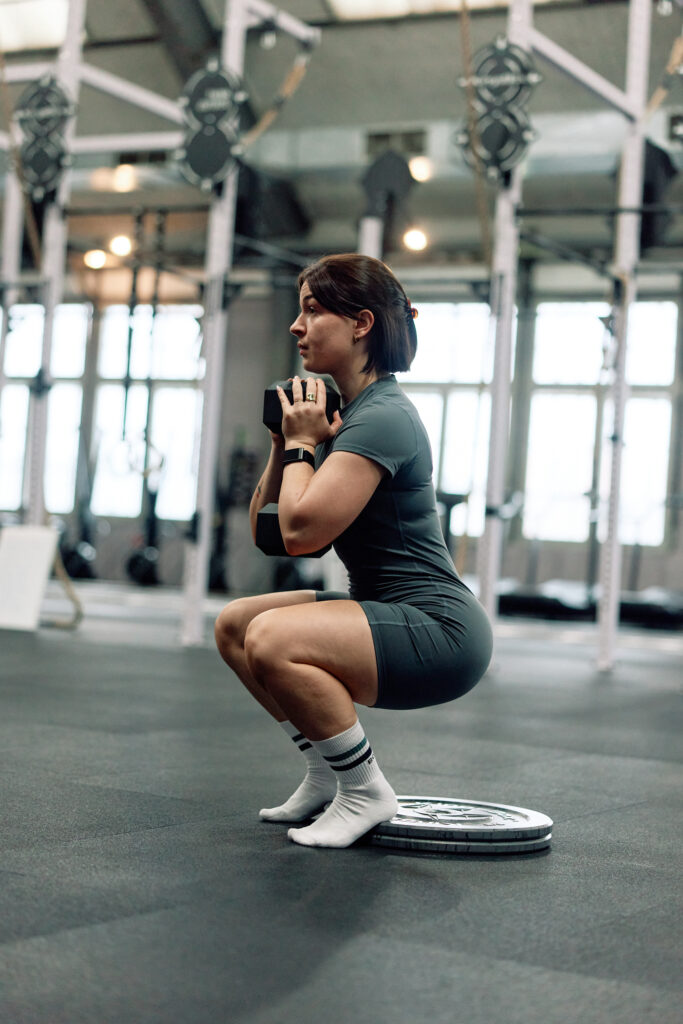
To get the best health results, Petra recommends beginners focus on fundamental movements. “Don’t just train so-called ‘problem areas’ – train functionally, so your whole body gets stronger.”
The fundamental exercises in strength training include:
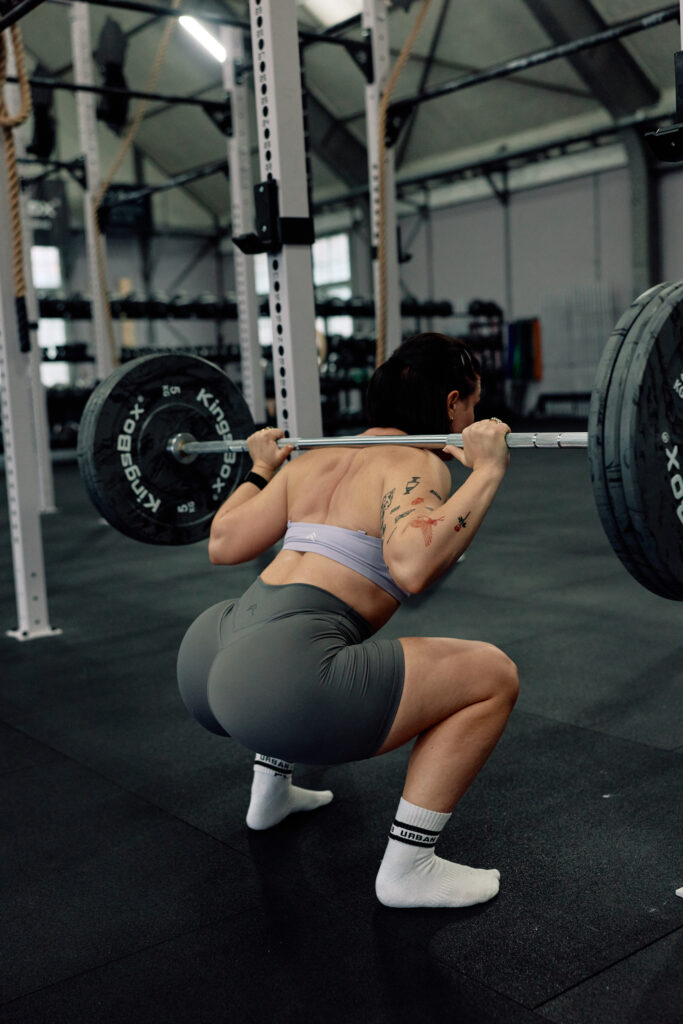
- Squats
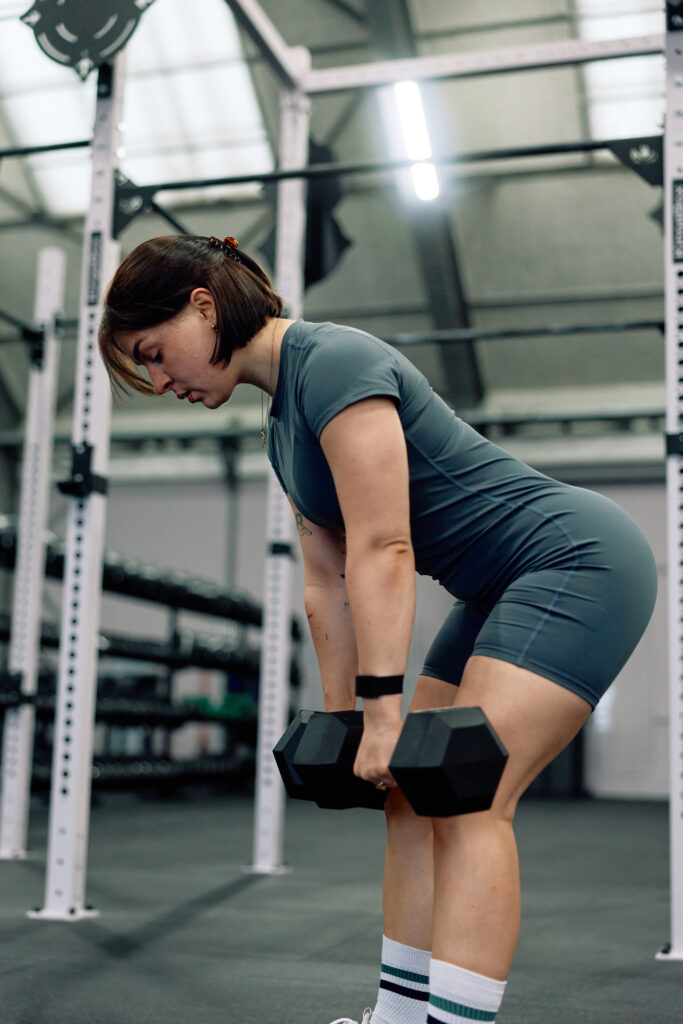
- Deadlifts
- Bench press
- Rowing
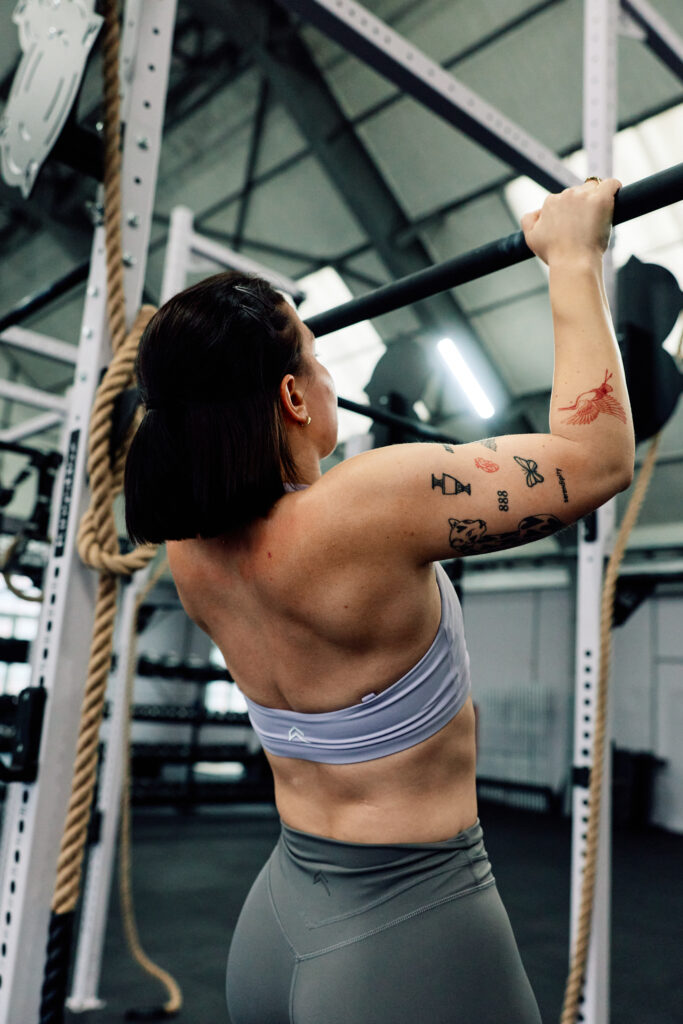
- Pull-ups or lat pull downs
These activate multiple large muscle groups at once – ideal for progress and hormone balance. Petra emphasizes: “Technique is more important than weight. Clean execution prevents injuries and makes your training more effective.”
Golden rule: Form before weight.
Tip: Use mirrors to check your form, or ask a trainer for feedback. Isolation exercises can be useful when you want to target specific muscles (e.g., glutes: hip thrusts and Bulgarian split squats).
Training Plans for Beginners & Advanced
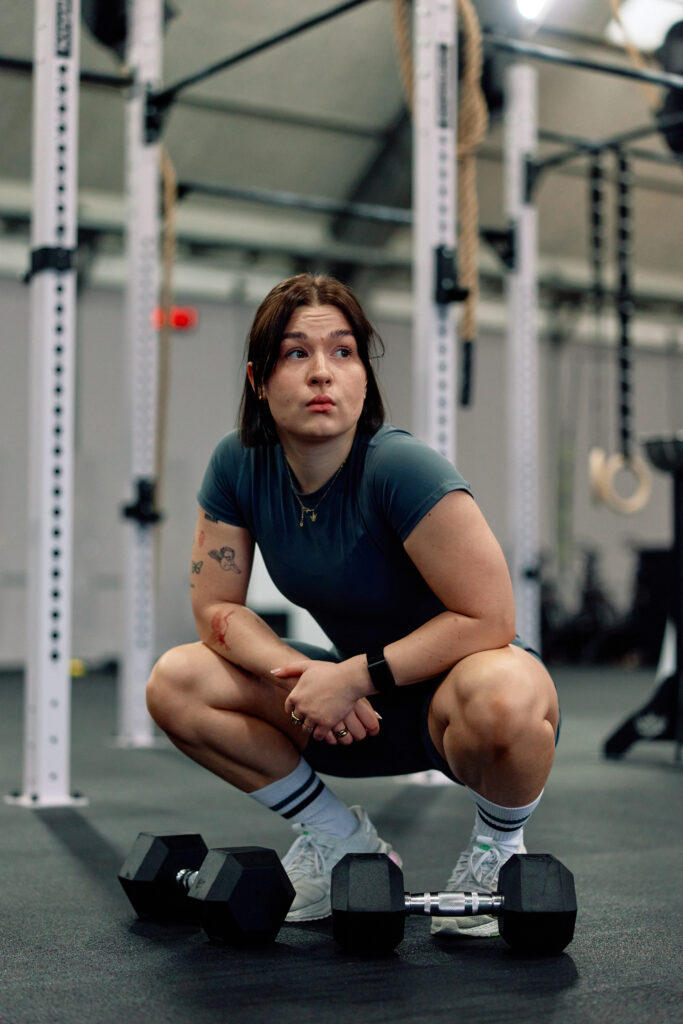
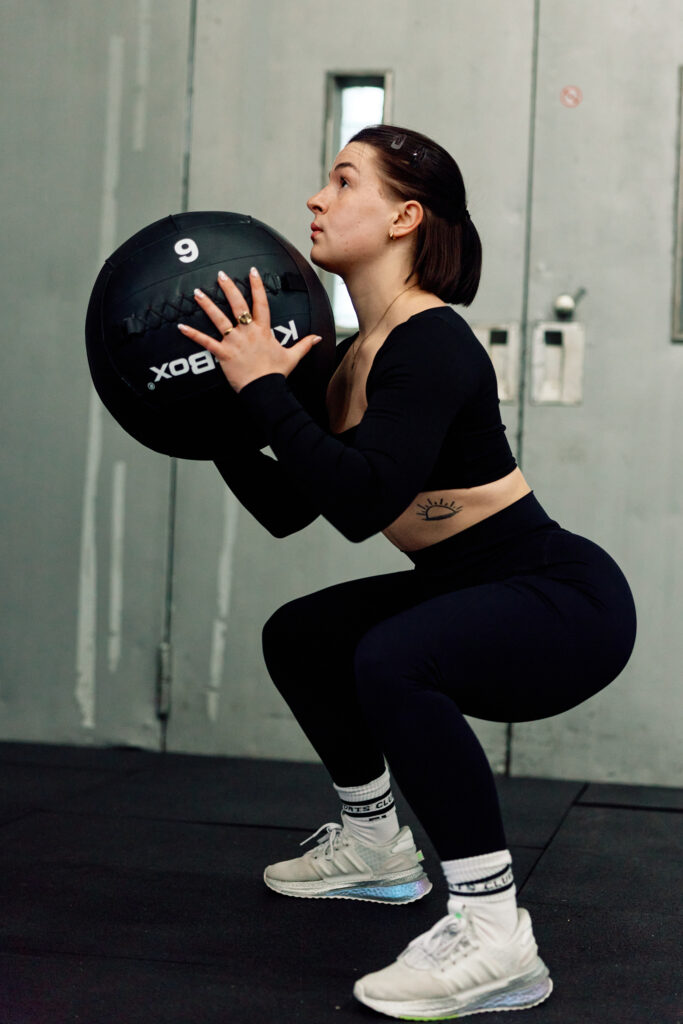
“Whether you’re just starting out with strength training or already more advanced, having a structured training plan is the key to success,” Petra says. “How you build your training should always depend on your individual goals, your current fitness level, and how much time you have.” For beginners, a full-body program with two training sessions per week is ideal, as it gives your body time to adapt to the new stress and helps you learn the technique of the fundamental exercises. More advanced lifters can switch to a split plan with three to five training sessions per week, allowing them to train specific muscle groups more intensively and progress more effectively.
For Beginners:
- 2 sessions per week
- Focus on full-body workouts, technique, and moderate weights
For Advanced:
- 3–5 sessions per week
- Split training (e.g., push/pull/legs or upper/lower body)
- Goal: more targeted stimulus & progressive overload
Always adjust your training volume and repetitions based on your goal: higher rep ranges are better for muscular endurance, while lower reps with heavier weights help build maximum strength and muscle.
The most important principle is progressive overload: you should regularly increase either the weight or the number of reps to keep making progress. If you’re new to strength training, ask a trainer at your gym to show you the exercises and correct technique – it’s the best way to reduce your risk of injury.
Differences Between Men and Women in Strength Training
Although the training principles are the same, there are biological differences. Women have lower testosterone levels, which means they build muscle more slowly – but they tend to be more fatigue-resistant and often recover faster. Petra explains: “Women benefit enormously from adapting their training to their menstrual cycle and the changes in performance that come with it. Cycle-based training uses hormonal fluctuations to your advantage.” You can read more about this in our article Cycle-Based Training.
Nutrition & Strength Training for Women
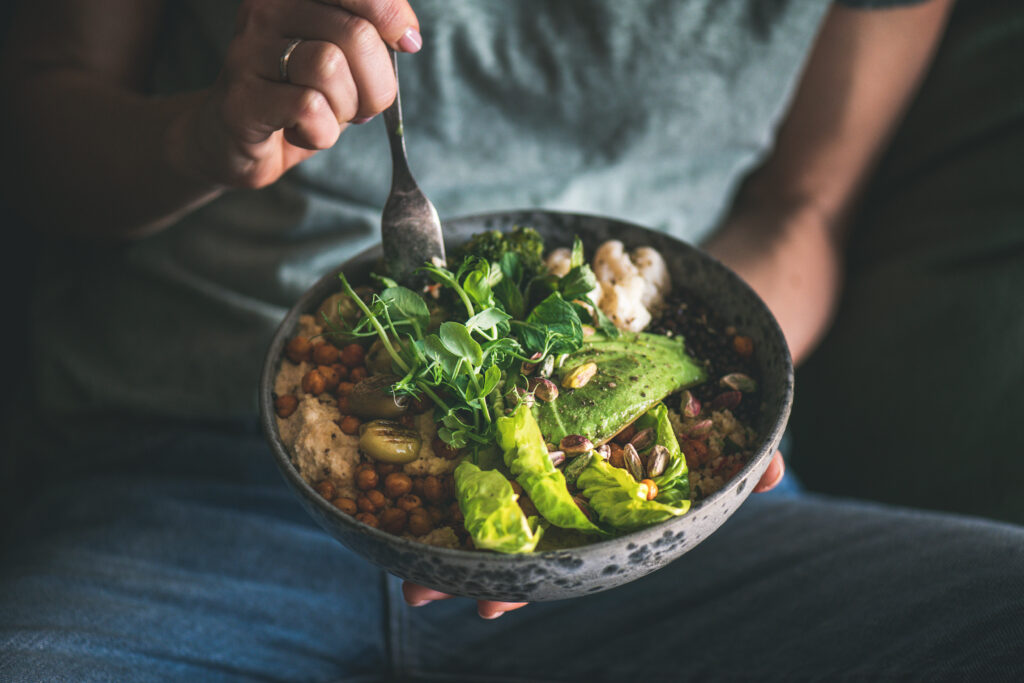
Strength training is most effective when paired with the right nutrition. For progress and performance, getting enough sleep and eating properly are almost more important than the training itself. For more details on optimal nutrition for muscle growth, check out our article Muscle Growth & Nutrition.
Strength Training in Your City
With Urban Sports Club, you can train at countless gyms and classes in your city – from classic gyms to functional training and CrossFit. Tip: guided strength classes are perfect for learning technique and improving body awareness. Discover gyms in Berlin, Munich, Hamburg, Cologne, Düsseldorf, Frankfurt, Dresden, Nuremberg, Leipzig, Hanover, Stuttgart, and more with your Urban Sports Club membership.
Strength training for women is more than a workout – it’s an investment in strength, health, and confidence.