To mark International Women’s Day* on March 8, 2026, we’re celebrating six inspiring voices from the Urban Sports Club community who are helping reshape what sport can look like. Through dance, running, coaching, cycle-based training, and performance-focused workouts, they create spaces where people can move, connect, and grow – while redefining strength, leadership, and belonging along the way.
*On the occasion of International Women’s Day, we address the entire FLINTA* community (women, lesbians, intersex, non-binary, trans, and agender people).
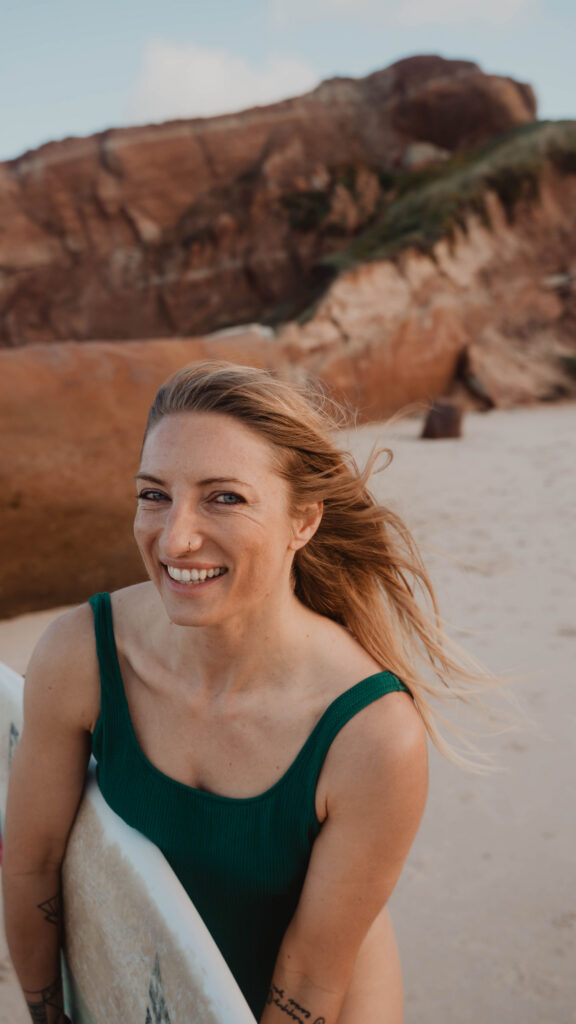
Strong, Connected, Visible: How Britta Helps Women Grow with HERSPACE
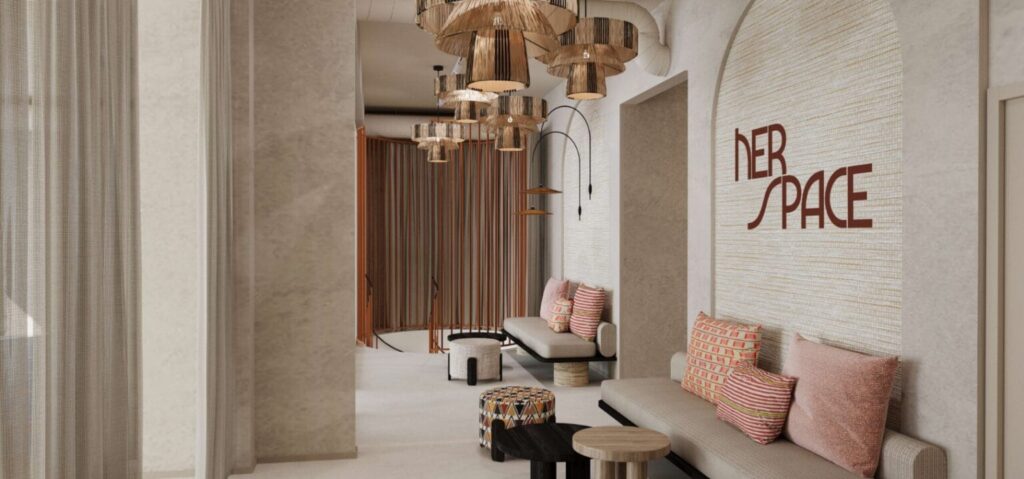
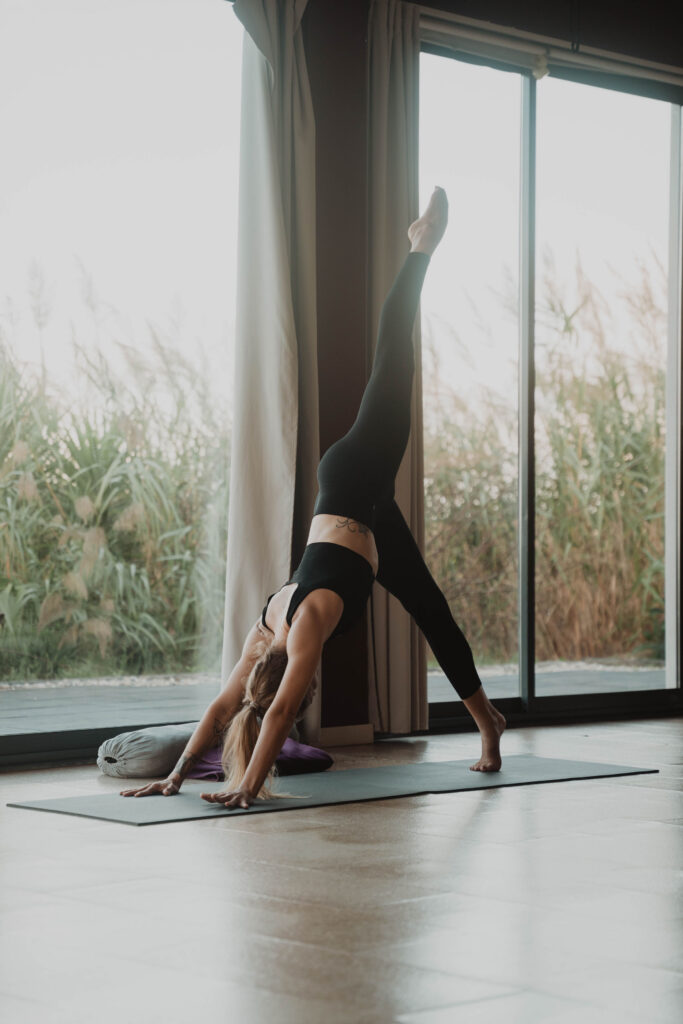
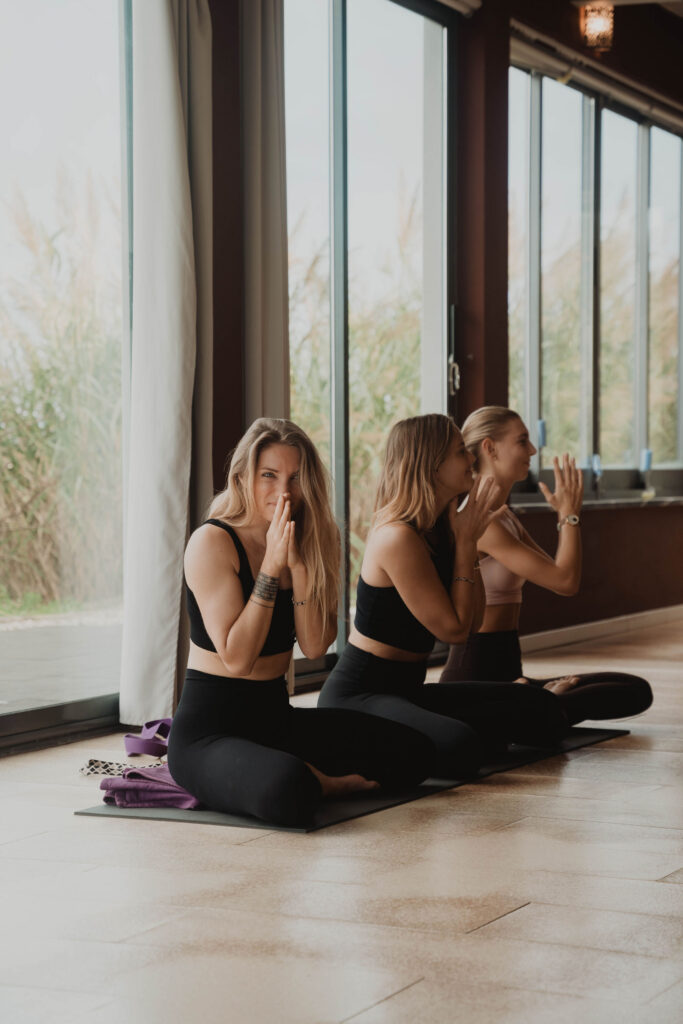
In a male-dominated world, Britta Degenkolbe wanted to create a space where women are truly seen – in their cycles, their strengths, and their courage. At HERSPACE, boxing and bootcamp classes meet sound baths, yoga meets community events – a place where physical strength and inner power come together.

Britta, how did the idea for HERSPACE come about?
“HERSPACE was born from the desire to make women more visible in a male-dominated world and to provide fair structures. Women carry a lot of responsibility but don’t always have the same opportunities or fairness. A key factor is our cycles. Every month we go through different energy phases – yet society expects constant, uniform performance. This affects not only personal well-being but also professional opportunities and long-term prospects.
I wanted to create a space that supports every phase: recovery in sound baths, letting off steam in boxing or bootcamp, plus community events and panel talks with activists and experts on women’s health.”
HERSPACE stands for strength, connection, and balance. What does strength mean to you?
“Strength means more than physical power. Of course, it’s also about building muscles and pushing yourself – but that’s just one level. More important is women’s inner strength: giving life, taking responsibility, succeeding professionally, and staying emotionally present – all of this shows incredible resilience. And yet we often hear: ‘I’m not that good at it.’”
“Strength means more than physical power.”
“For us, strength means recognizing this inner power, trusting yourself more, and not downplaying your own competence. That’s why we integrate empowerment directly into training – not as an extra, but as part of it.”
Is there a moment or feedback from the community that really showed you why HERSPACE is so important?
“Yes, several. I was especially moved by feedback from women with endometriosis, PCOS, or other hormonal conditions. Many never felt understood in traditional studios – their bodies work differently, their energy isn’t constant, yet they are measured against linear performance standards. I live with endometriosis myself, and I know how important it is to have a place where you don’t have to explain why you can do less today – or go full throttle tomorrow.”
“I know how important it is to have a space where you don’t have to explain yourself.”
“Another moment: a participant who had been practicing yoga for over ten years came to a fight-club class and told me she never thought she’d fall in love with boxing. That’s exactly what HERSPACE is. Not just Pilates, strength, or yoga. Different formats meet different people.”
What challenges did you face building HERSPACE – and how did you overcome them?
“One of the biggest challenges is the internal and external conflict of values. As a values-driven company, you are judged by your principles – while at the same time there are economic realities. We understand that women aren’t equally capable every day, but financially compensating for every last-minute cancellation would endanger rent, team, and quality in the long run. That’s why we offer alternatives: meditation, sound baths, or calmer formats – the space remains usable, just in a different way. I’ve learned that values don’t mean trying to please everyone, but having a clear line – even if it’s uncomfortable.”
“Values don’t mean trying to please everyone, but having a clear line.”
Which women inspire you?
“I’m inspired by women who have the courage to take up space – especially where it’s uncomfortable. Luisa Neubauer for her political debate culture. Gisèle Pelicot for standing publicly for dignity and justice. Uschi Obermaier for radical self-determination. And Astrid Lindgren with the words: ‘Don’t let them get you down. Be cheeky. And wild. And wonderful.’ For me, that’s not a romantic phrase, but a reminder not to have to conform to be accepted.”
Therapeutic Booty Wriggling: How Maïmouna Reclaimed Her Strength Through Dance
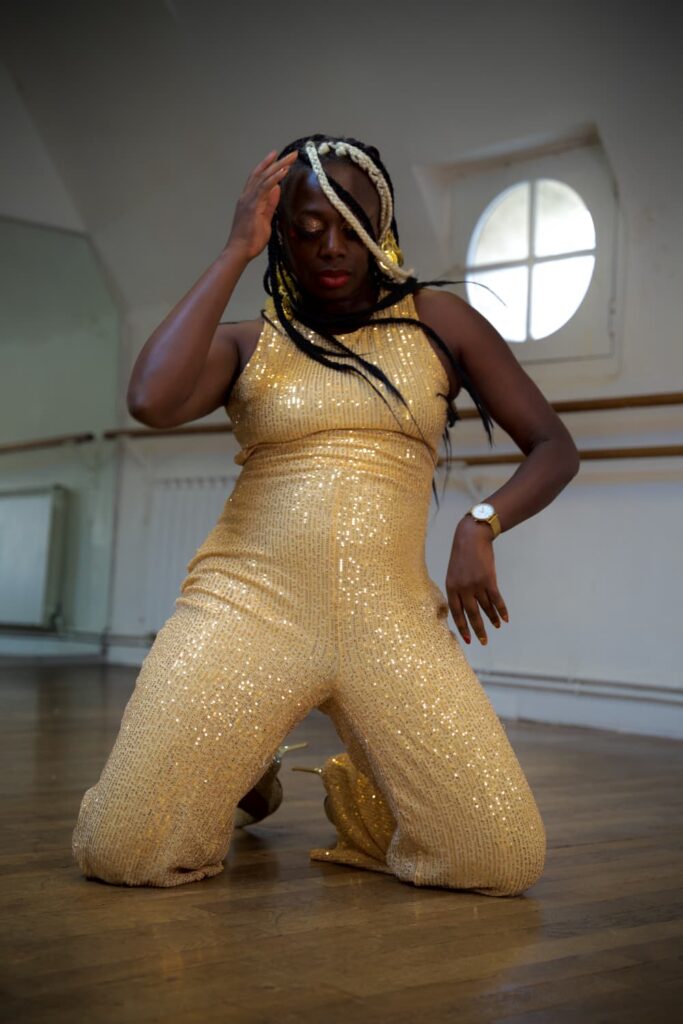
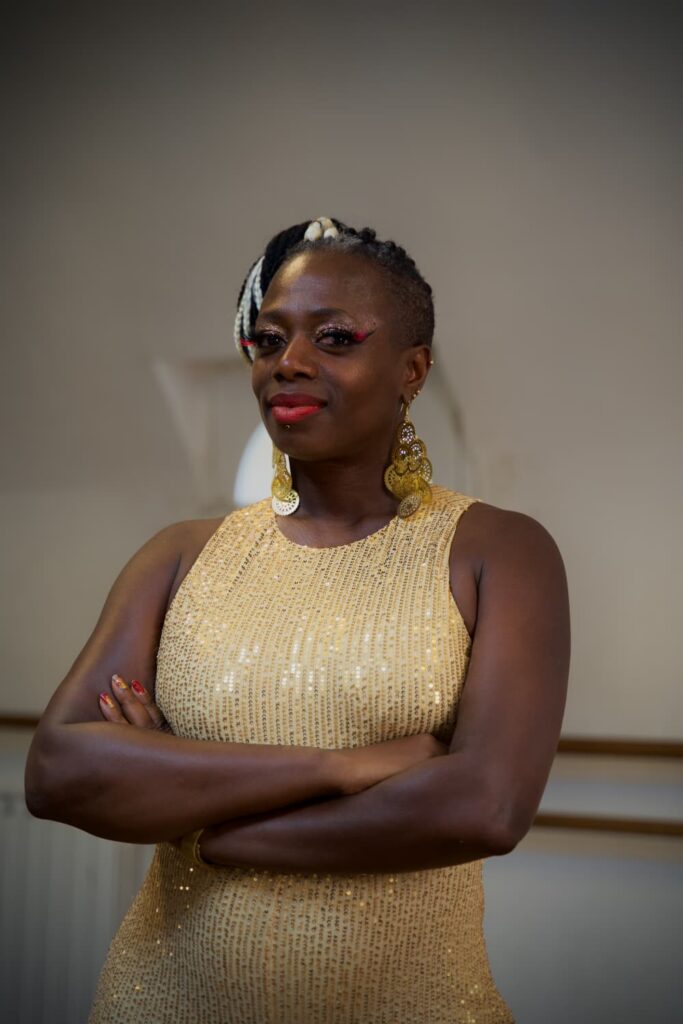
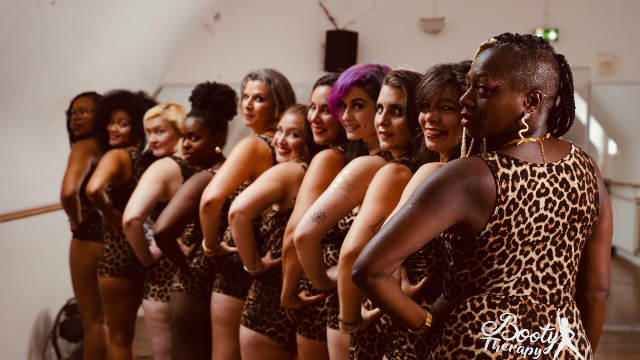
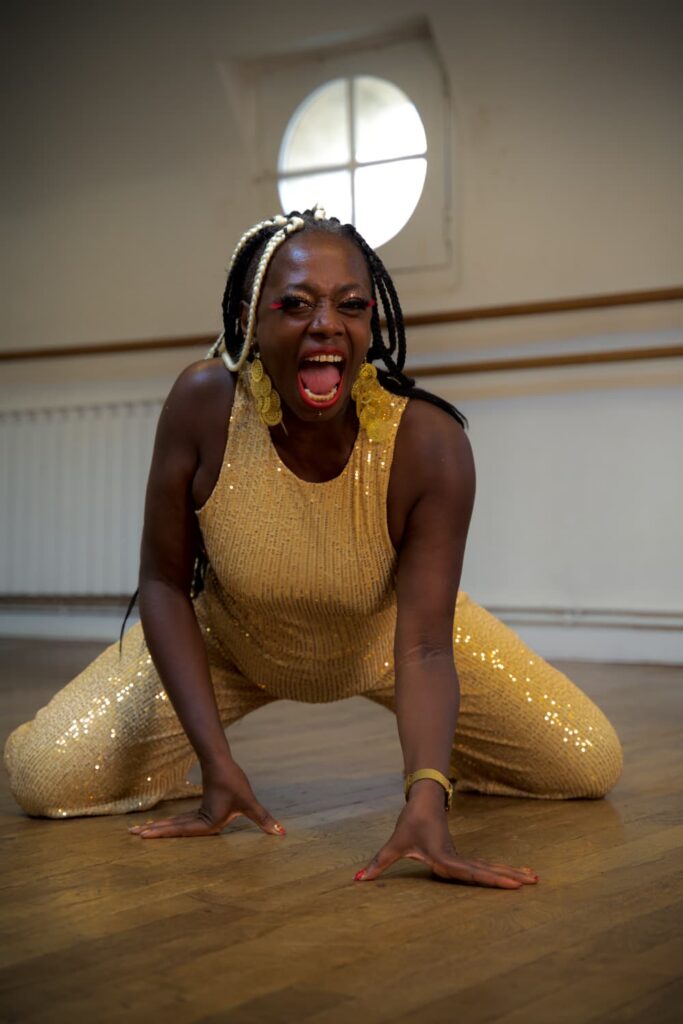
When words failed her, French-Malian dancer Maïmouna Coulibaly turned to dance to process emotions. What began as a personal practice of movement and expression gradually grew into a method she now teaches worldwide. Today, with her method Booty Therapy, she helps women and marginalized genders reclaim their bodies, release tension, and find strength through dance.
Maïmouna, what role did dance play in your early life?
“Dance was not just an activity for me – it was survival. I was born in France but spent part of my early childhood in Mali. When I returned at four, I no longer spoke French. Movement became my language. Before words, I communicated through my body, through observation, through emotion. Dance allowed me to process trauma, to exist fully, and to express what I could not articulate. More than 30 years later, it remains my most honest form of expression.”
“Dance was not just an activity for me – it was survival.”
How would you define Booty Therapy, and what sets it apart from other dance or fitness formats?
“Booty Therapy is a method I created through more than 30 years of practice, combining dance, intense cardio, theater, and personal development. It’s physically demanding – we sweat, we build stamina, and we strengthen muscles, especially the core and lower body. But what sets it apart is that emotion drives the movement, not aesthetics. We don’t train the body against itself – we train through release. When stress and emotional tension are released, the body naturally becomes stronger and more aligned.”
“In Booty Therapy emotion drives the movement, not aesthetics.”
“The community aspect is central. The space is intentionally for women and marginalized genders, allowing participants to move freely and reconnect with their bodies in a supportive and empowering environment. Today, Booty Therapy is taught in 21 countries, with instructors trained in Berlin and beyond.”
Movements of the hips and pelvis are often sexualized or judged – how does this affect women, and what role does Booty Therapy play?
“From childhood, many girls are taught to feel ashamed of their hips or buttocks. Yet anatomically, without our glutes, we cannot walk, stand, or sit – it’s a powerful and essential part of the body. Sexualization often comes from the outside gaze. In our practice, we reclaim these movements for ourselves. Moving the pelvis is not about performing for others; it’s about reconnecting with our emotional center, grounding, and autonomy.
Across many African dance traditions, pelvic movement is collective and joyful, not inherently sexualized. Reframing it changes the way women and marginalized genders relate to their bodies – from shame to strength.”
“Moving the pelvis is about reconnecting with our emotional center, grounding, and autonomy.”
When did you begin to experience the pelvis as more than just physical?
“At 16, I was introduced to Congolese social dances such as Ndombolo. There, everyone moves their pelvis – men, women, children – without shame. It was a revelation. After difficult experiences in my early life, reconnecting with that part of my body helped me rebuild strength and confidence. What began as learning a dance technique became a lifelong exploration of embodiment. Today, at 50, I continue to practice and transmit this work to people from ages 3 to 70, and I still witness how transformative it can be.”

Which people influenced your journey the most?
“Writers like Toni Morrison deeply influenced me – she taught me that the body carries history and that storytelling is a form of resistance. But honestly, the participants in my classes have shaped me the most. Through them, I learned that creating a safe and intentional space is both an artistic and a social responsibility.”
Joy Run Collective: How Huyền Is Creating Safer Spaces in the Running Community
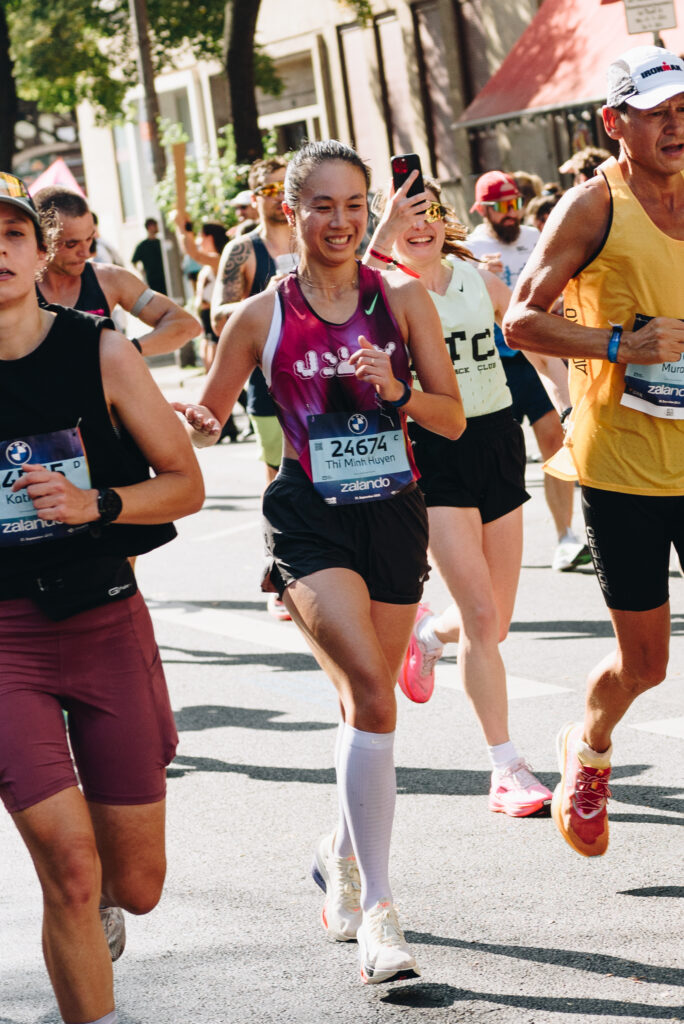
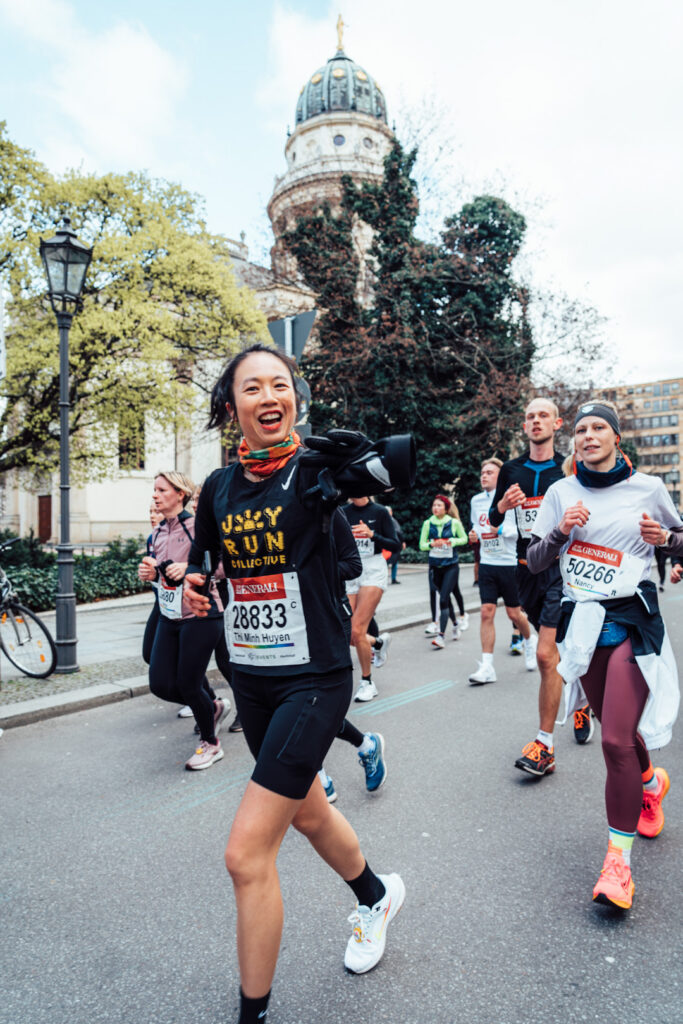
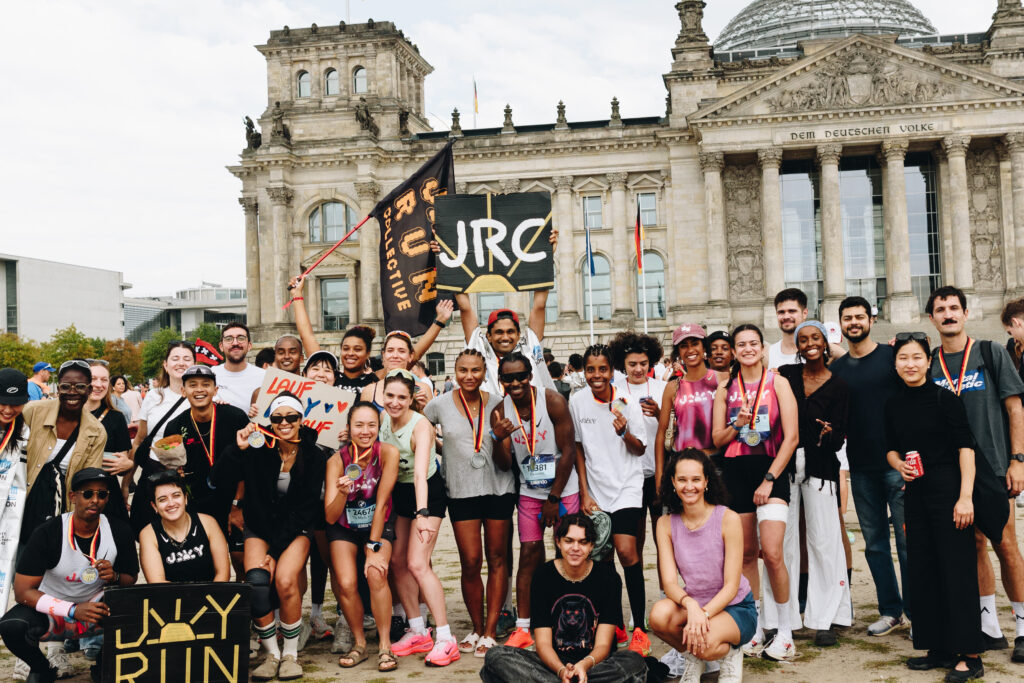
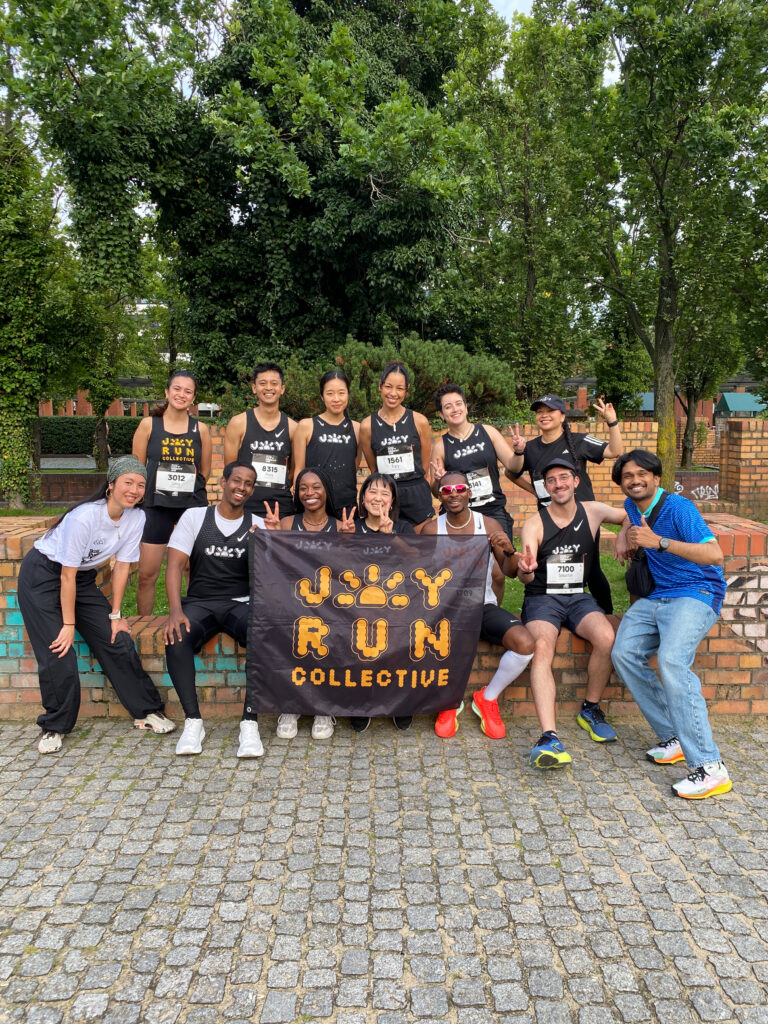
When she returned from New York to Berlin, Thị Minh Huyền Nguyễn saw that women – especially women of color – were missing as leaders in running crews. What started as a personal vision to create a more inclusive space has grown into a collective that combines running, empowerment, and community. Joy Run Collective is now a place where especially women and FLINTA* runners can train, connect, and take up space – both while running and in life.
Huyền, what inspired you to create Joy Run Collective?
“When I first started running in 2015 and learned more about the international run crew culture, I didn’t see enough women – especially not enough female founders, coaches, or captains. After moving back from New York to Berlin three years later, I knew I wanted to start my own project, one that would empower more women of color to enter the sport.“
“I didn’t see enough women – especially not enough female founders, coaches, or captains.”
“Before Joy Run Collective, there was Wayv Run Kollektiv, which I co-founded with artist Daniel Marin Medina to make running more inclusive and safer for queer people and people of color. Joy, which started in 2022, feels like its evolution – with a stronger focus on women and FLINTA* empowerment. While I’m the founder, I see Joy as a collective effort. It wouldn’t have become what it is without the labor, love, and care of our past and present leaders and captains. Today, we’re a team of five in leadership, and I’m incredibly grateful to co-create this space with them.”
“Joy” is at the heart of your name – what does joy mean to you in the context of running?
“Having lived in New York – the global epicenter of urban run crew culture – and having traveled for races and run events, I have met all kinds of runners – from elites, to beginners, to hobby runners. What most of us share is the love for the sport, the community and the joy running can bring and give us. As much as we love running fast, chasing personal bests, qualifying for specific races, I think what truly matters is having joy and fun while running. It’s something I want to share and cultivate within my community. Train hard if that’s what you want to do, but do not lose sight of play and joy.”
“Joy isn’t just about running fast – it’s about fun, community, and play.”
How would you describe the kind of community you’re building through Joy Run Collective and beyond?
“We are a very special and different kind of run community. Besides running and training, we enjoy post-workout coffees and brunches, go to exhibitions and parties together, but also come together to discuss politics or meet up for protests. We hold space for one another, we celebrate and grieve together – both in our running sessions and beyond.”

Running is often associated with performance and competition – how do you approach that dynamic within your community?
“I don’t see performance and competition as all negative. I actually want to cultivate a sense of ambition within our team with a healthy approach. I want women and people in our community to dream big, chase their goals, and not hold themselves back nor make themselves small. Instead, I hope they feel so empowered through their time with JOY that they do take up space when they line up at the start of a race. That they use running as a tool – not just to get faster, but to feel more confident in their bodies and themselves.”
“I want women to take up space – while running and in life.”
Which women have shaped your journey, and what did you learn from them?
“There have been so many women who have shaped my journey. From my mother’s resilience and persistence to my host mothers encouragement during my gap year in the U.S. back in 2011. My friends who became family during my NYC running days and the women around me who are inspiring artists, writers or athletes (and all changemakers) themselves.”
She Can Do It All: How Hermione Is Rewriting the Rules for Female Coaches
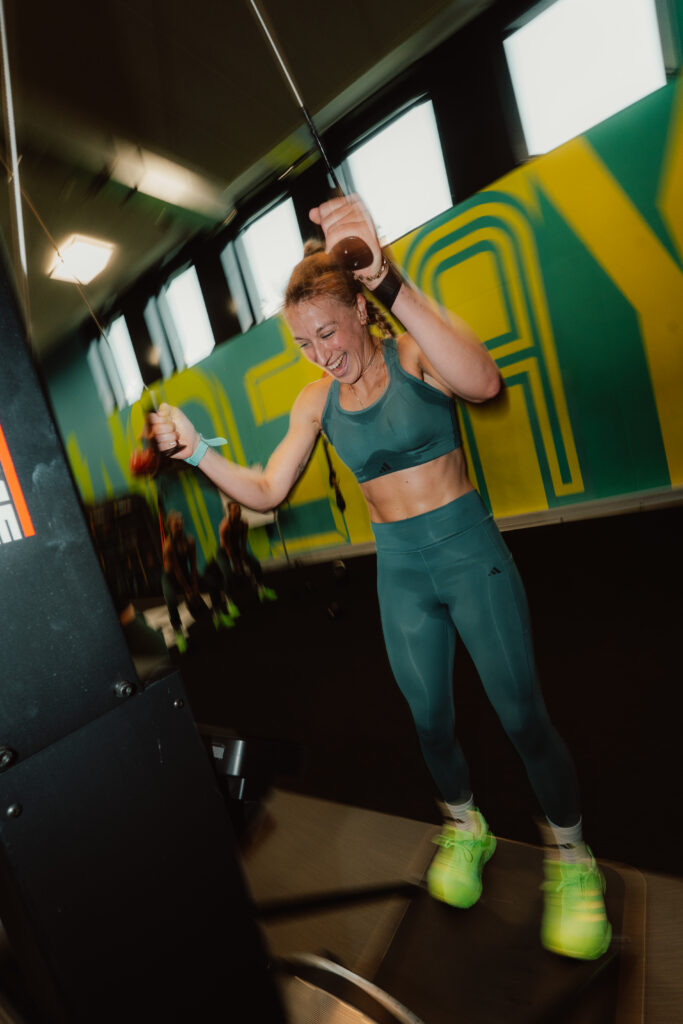
Working in the fitness and coaching industry – often shaped by performance and competition – Hermione Plumptre felt something was missing: a dedicated space for genuine support between women as coaches. As an athlete and coach, she experienced firsthand the pressure to always perform, smile, and prove her worth. Instead of accepting the status quo, she founded She Can Do It All – the first Female Coaches Empowerment Union – to create space for mentorship, collaboration, and genuine empowerment.

Hermione, what inspired you to start the first Female Coaches Empowerment UNION?
“I started looking more closely at what wasn’t working in the fitness industry – especially for female coaches like myself. Simply ‘being a woman’ in certain spaces already came with assumptions and narratives that just weren’t true. I think many women can relate to walking into a gym or studio and feeling judged or seen in a way they don’t want to be – even if nobody talks about it. It’s an unspoken reality that can hold women back from stepping into those spaces at all. I’ve felt that energy at workplaces and on the track. There was competition between studios, between coaches, between brands. It often created hostility rather than mentorship or togetherness. I saw coach-to-coach and coach-to-client dynamics that didn’t reflect how powerful women can be when they truly support one another. So I decided to do something about it and so ‘She Can Do it All’ was born.”
“I saw what was missing – so I decided to build it.”
*I’d like to take a moment to thank my current co-founder; Aleks Kops and previous co-founder; Shailan Dabbag- Wilhelm, for without these women by my side, starting She Can Do it All would have been impossible.
As an athlete and coach, what challenges do women in high-performance sports and coaching face today?
“There’s immense pressure to always perform, smile, and do great. I’ve had moments where I was told to just ‘do my job’ or ‘this is what you train for’ – but in reality this doesn’t always work. Energy levels might change with our cycles, with our sleep or in general with the training intensity and mental pressure that comes from training for an important race. On hard days, being forced to be something you’re not capable of that day is exhausting.”

“Another major challenge women face on a daily bases is being truly heard and respected as an expert – regardless of gender. No matter how experienced and knowledgeable they are as a coach or athlete, the results are often still linked to how their body looks.”
“No matter how world-class her results are, her ability is still often tied to her appearance.”
Your initiative “She Can Do It All” celebrates women’s potential – but the statement might also feel overwhelming. How do you navigate the pressure to excel in multiple areas at once?
“To me, the meaning is less literal. It’s not about doing everything perfectly at once. It’s about making other women feel seen and helping them believe they can do anything they truly set their mind to. And ‘all’ also includes rest. Recovery. Softness. Balance. She can be strong and soft. She can coach strength and go to a sound bath. It’s about permission – not pressure.”

If there’s one mindset or lesson you hope women carry with them from your work, what would it be?
“That YOU have the ability to change another woman’s entire trajectory – simply by making her feel seen and safe. Read that again. Smile. And go do exactly that.”
“You can change another woman’s trajectory just by making her feel seen.”
Which women or people have shaped your journey, and how did their example inspire the way you lead and empower others?
“I’ve been incredibly lucky to have strong women mentor me in my life. My mother, taught me to ‘lead with love’ and to be what she calls ‘a giver of life.’ That stays with me every day.
Alex Hipwell taught me self-confidence as a coach. At a time when I was doubting myself and what I was building with She Can Do It All, she said something simple but powerful: ‘You know you can do it all on your own.’ She believed in me – so why didn’t I? I haven’t questioned myself the same way since. More than once, Alex created a safe space for me to speak openly – on both the good days and the hard ones in our industry. That experience shifted something in me. It made me want to create that same space for the next generation of fitness and wellness professionals. In many ways, that was the full-circle moment that gave birth to She Can Do It All.”
SheForce: When Women Train With Intention, Performance Follows
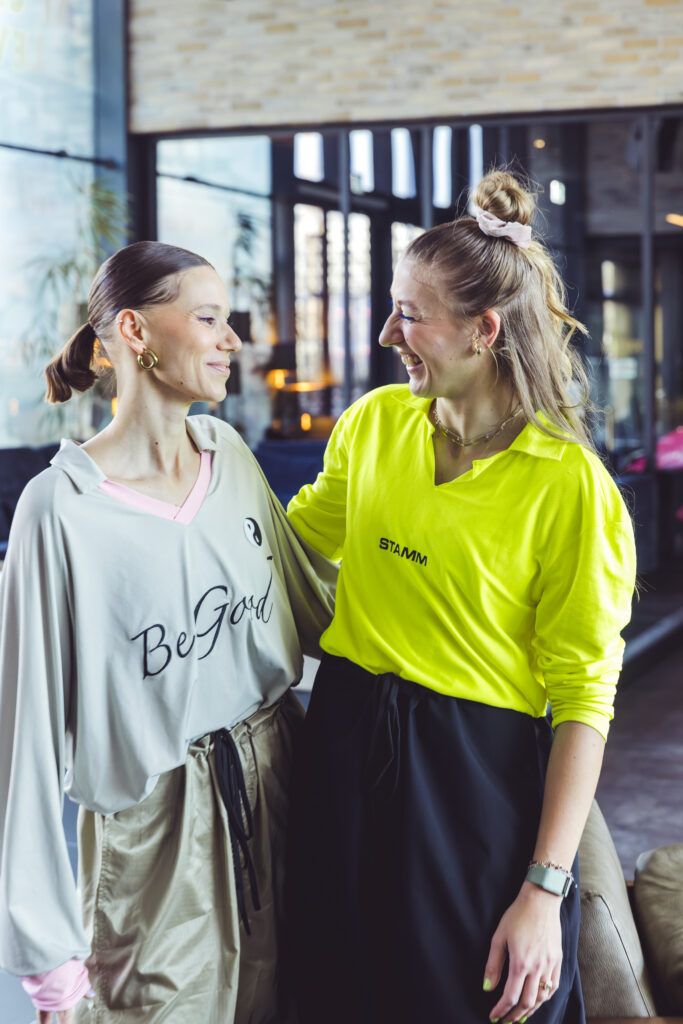
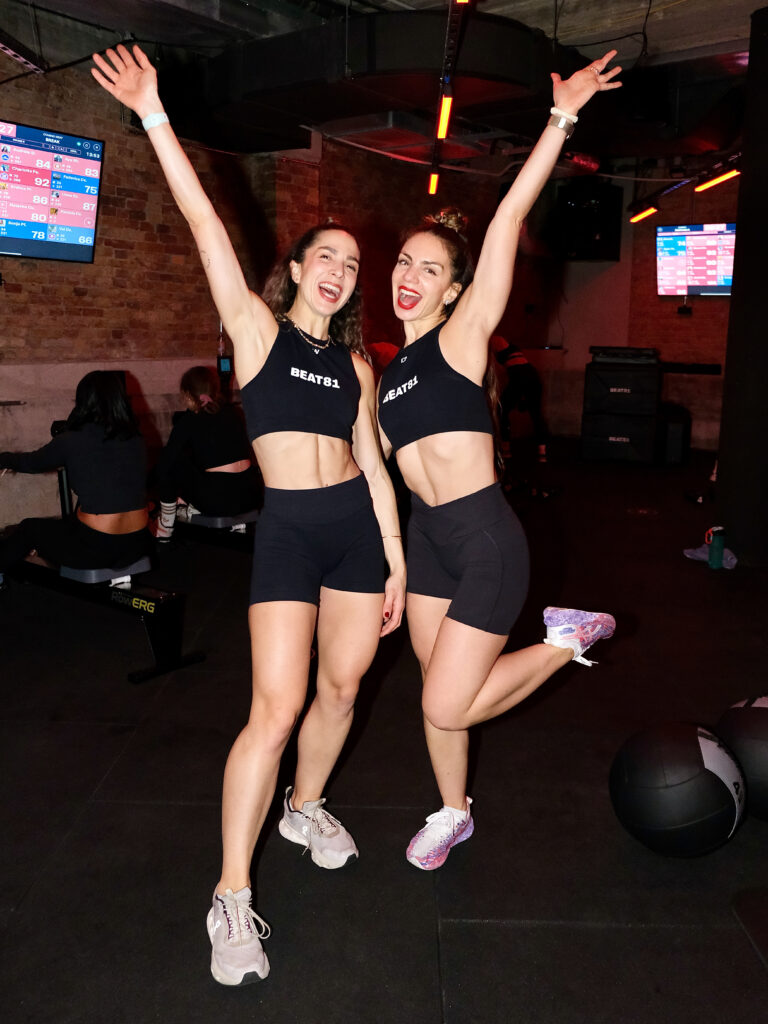
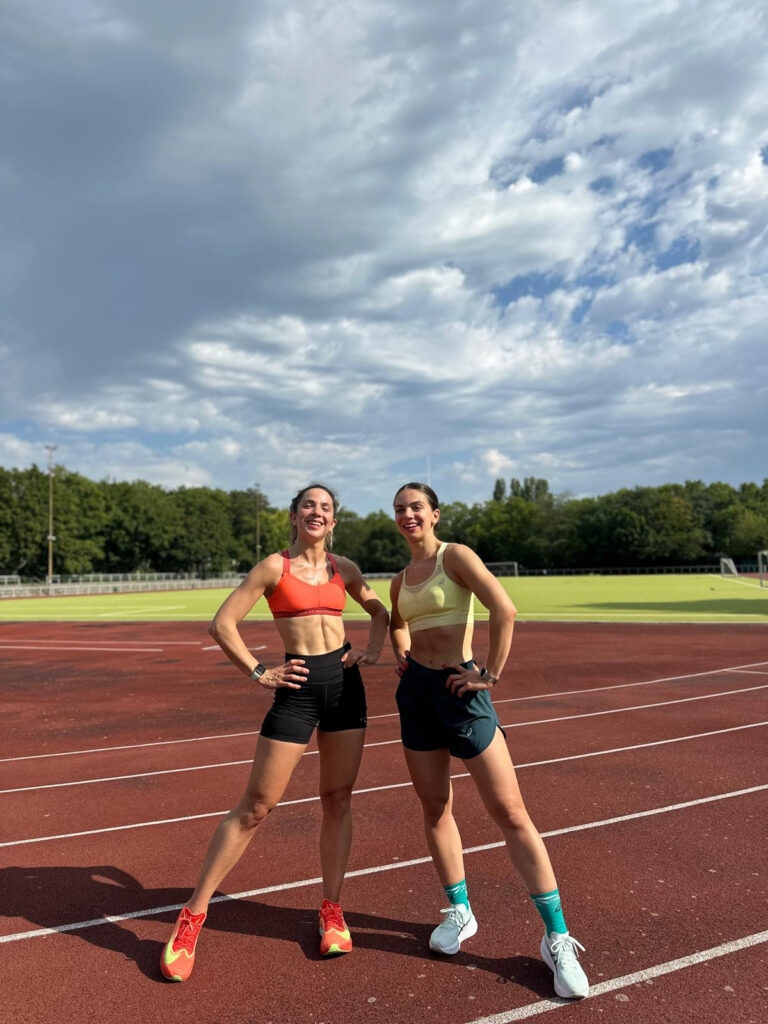
What happens when two ambitious women meet through sport and recognize the same motivation in each other? For the founders Günce Öztürk & Luna Alrawas of SheForce, it was the beginning of something bigger than competition. What started as shared HYROX goals evolved into a performance-driven community where women train with structure, strategy, and mutual respect.

Günce and Luna, what inspired you to start SheForce?
“SheForce really started with us. We met through sport and quickly realized how much we fueled each other’s ambition. We both signed up for our first HYROX competitions at the same time – independently, but completely aligned in mindset. That shared decision pushed both of us into a new level of performance.
Seeing another woman match your standards, discipline, and drive is powerful, and SheForce grew directly from that dynamic.”
“Seeing another woman match your standards and drive changes your level of performance.”
How would you describe the environment you aim to create for women?
“We aim to create an environment that feels structured, performance-driven, and grounded in respect. It’s not about hype – it’s about intelligent training and high standards. When women show up to our events, the energy is focused yet collaborative. There’s less comparison and more accountability. Ambition feels normal in the room, not intimidating.”
Why is female focused performance training important right now?
“Women are training more seriously than ever, but many performance systems were not originally designed with them in mind. Research in exercise physiology shows that women are often well adapted to sustained, high-intensity efforts and tend to demonstrate strong fatigue resistance and endurance capacity. Yet many women are taught how to train hard – but not how to structure programs, manage recovery, or truly understand their physiology. Knowledge turns effort into strategy. And strategy builds confidence.”
“Knowledge turns effort into strategy – and strategy builds confidence.”
Which women have shaped your understanding of strength and community?
“The women who inspire us most are the ones we coach every week. Women returning after pregnancy. Rebuilding after injury. Balancing demanding careers yet still choosing to train consistently. Female physiology and life stages can make consistency more complex – which makes showing up even more powerful. Real strength is not loud. It is consistent.”
“Real strength is not loud – it is consistent.”
What changes when women train together rather than alone?
“The biggest shift is confidence rooted in feeling seen and understood. When women train together, they recognize their own struggles and strengths in each other. That creates psychological safety and encourages them to push further. Collective momentum replaces self-doubt – and progress accelerates.”
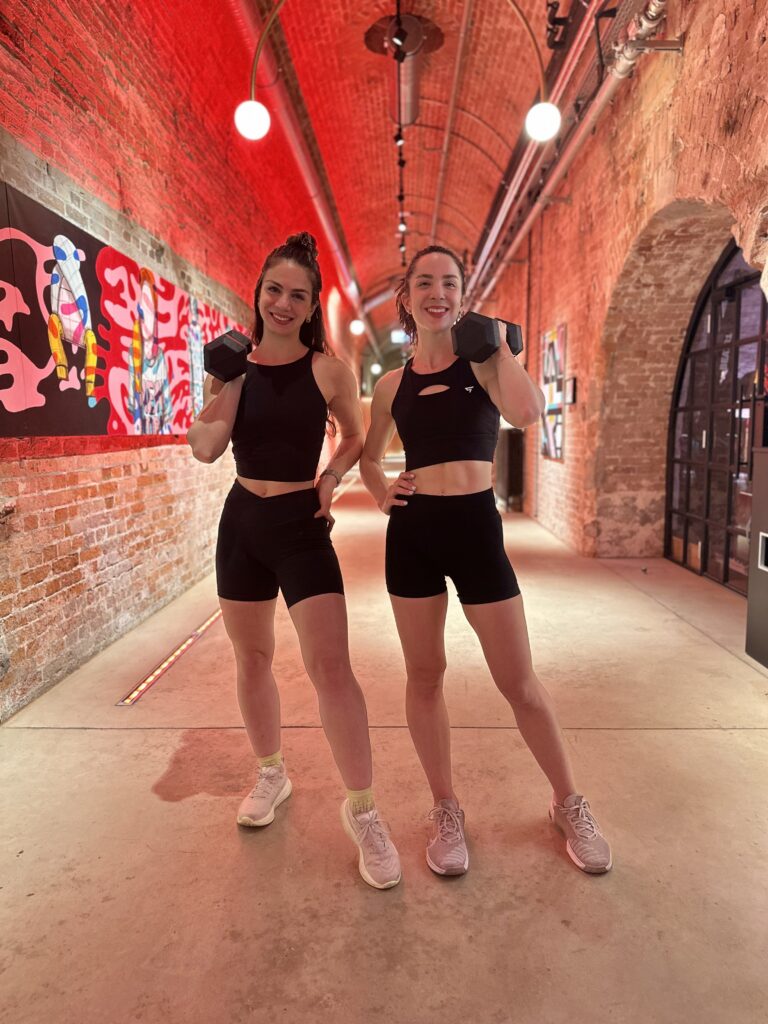
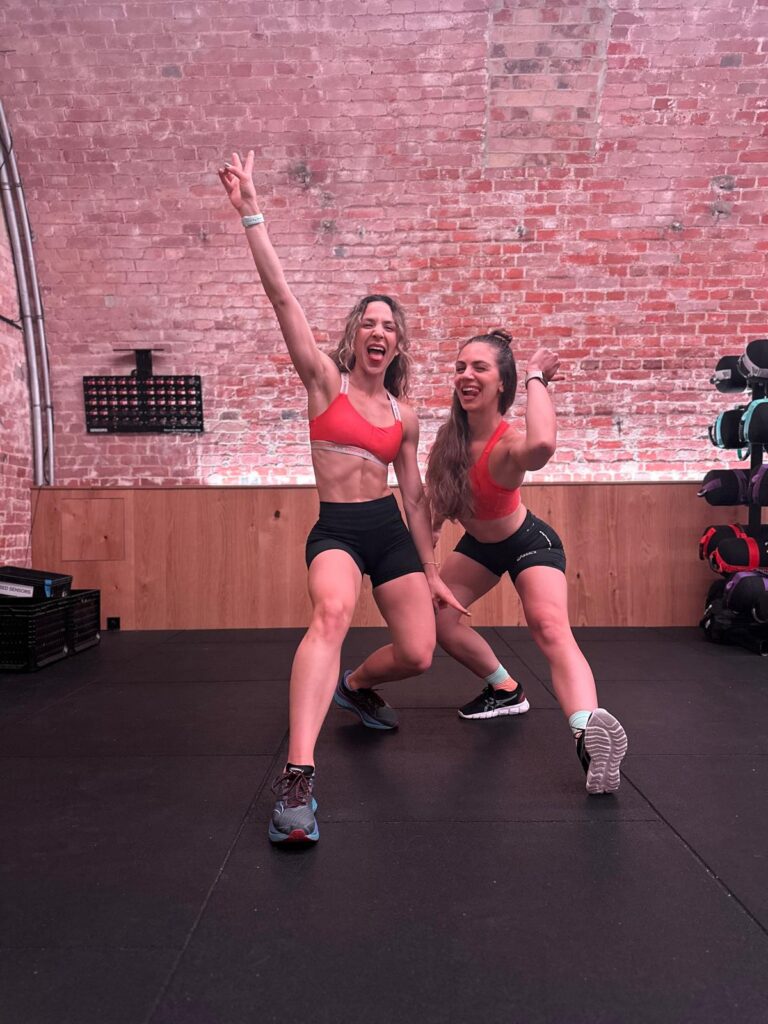
This March, around International Women’s Day, SheForce is dedicating the entire month to women-centered training events, bookable via Urban Sports Club. Updates are shared through their Instagram and WhatsApp community for anyone who wants to experience that focused, high-performance energy firsthand.
Who has inspired you on your wellbeing journey? Do you know other women or FLINTA* people who are making a difference in the world of sports? Tell us about them in the comments.