That’s exactly what longevity is all about. The term means far more than reaching a ripe old age: at its heart is the question of how you can protect your health, performance and quality of life for as long as possible. And the best part: you don’t have to turn your whole life upside down. Even small changes to how you move, eat, sleep and connect with others can make a difference.
We’ll show you what’s behind the longevity trend, why strength training plays a key role, and how to build longevity into your everyday life without the fuss.
| What is longevity? In a nutshell, longevity describes the goal of living not only a long life, but above all a long life that is healthy, active and self-determined. The most important levers are regular movement (above all strength training), balanced nutrition, good sleep, social connections and mental wellbeing. |
Longevity: What’s the Difference Between Lifespan and Healthspan?

Unlike plain life expectancy, longevity isn’t only about how many years you live, but above all about how many of those years you spend in good health.
| Two terms help here: Lifespan is the length of your life, in other words how old you get overall. Healthspan is the part of your life in which you are physically and mentally healthy, capable and independent. |
Longevity focuses mainly on healthspan. You want to be able to take the stairs, carry your shopping and go hiking at 70, 80 or 90. The approach brings together insights from medicine, nutrition science, sports science and psychology and looks at health holistically. Instead of relying on a single miracle fix, it’s about building habits over the long term that support your body and mind. According to Dan Buettner, the Danish Twin Study suggests that only around 20 percent of how long we live is genetically determined. The rest depends on lifestyle and environment.
Where Does the Longevity Trend Come From? A Look at the Blue Zones
The idea of a long, healthy life is of course nothing new. The topic gained a lot of attention through the so-called Blue Zones. US author and National Geographic explorer Dan Buettner brought these regions to international attention. Together with scientists and demographers, he studied places where, according to his analyses, an unusually high number of people reach a very old age.
| The five originally identified Blue Zones are: Sardinia (Italy) Especially the provinces of Nuoro and Ogliastra, known for the world’s highest density of male centenarians. Okinawa (Japan) The northern part of the main island, known for the world’s longest-living women. Nicoya Peninsula (Costa Rica) A region with an extremely low mortality rate among older adults. Ikaria (Greece) An island in the Aegean Sea with very low rates of dementia in old age and a high life expectancy. Loma Linda (California, USA) A community of Seventh-day Adventists who, according to Blue Zones research, live up to 10 years longer than the US average. |
What these regions have in common, according to Buettner: people move naturally as part of everyday life, eat a mostly plant-based diet, keep close social ties and often have a strong sense of community and purpose. Worth knowing: the data on the Blue Zones is also discussed critically in research, for example because some records of age are uncertain. They still make a great source of inspiration, because they show a core idea of longevity: a long, healthy life rarely comes from a single measure, but from the interplay of many habits that you keep up for years.
The 5 Most Important Pillars of Longevity

Longevity isn’t a fixed fitness plan or a short-term challenge. It’s a holistic lifestyle built on five pillars: movement, nutrition, sleep, social connections and mental wellbeing.
1. Longevity and Movement
Movement is one of the most important factors for a long, healthy life. It strengthens your cardiovascular system, supports muscle and bone building and helps you keep up your performance for as long as possible. At the same time, regular activity can reduce stress and boost your mental health.
According to Buettner, most people in the Blue Zones don’t go to the gym. They simply move naturally along the way, for example while gardening or doing housework. Our everyday lives often lack this kind of movement, so it’s worth planning it in on purpose, above all with strength training.
The World Health Organization (WHO) recommends that adults do at least 150 to 300 minutes of moderate or 75 to 150 minutes of vigorous endurance activity per week. On top of that, you should work your major muscle groups on at least two days a week.
Strength Training: Your Most Important Lever After 30

One point is often underestimated when it comes to longevity: from around the age of 30, your body gradually loses muscle mass if you don’t do anything about it. This process starts unnoticed and speeds up over the years. That’s exactly why strength training matters so much.
Muscles stabilise your joints, strengthen your bones, protect you from falls, support your metabolism and keep you independent as you age. The good news: you can build muscle at any age. Whether in the gym, with your own body weight or in a functional training class, what matters is that you challenge your muscles regularly with heavy weights (progressive overload).
For women, strength training becomes even more important during and after menopause: falling oestrogen levels can speed up the loss of muscle and bone. Regular strength training can counteract this and lower the risk of osteoporosis.
Endurance, Mobility and Everyday Movement
- Endurance training: Trains your cardiovascular system. Studies link higher endurance fitness to a lower risk of death. Running, swimming or cycling are all good choices, ideally at a pace where you can still hold a conversation.
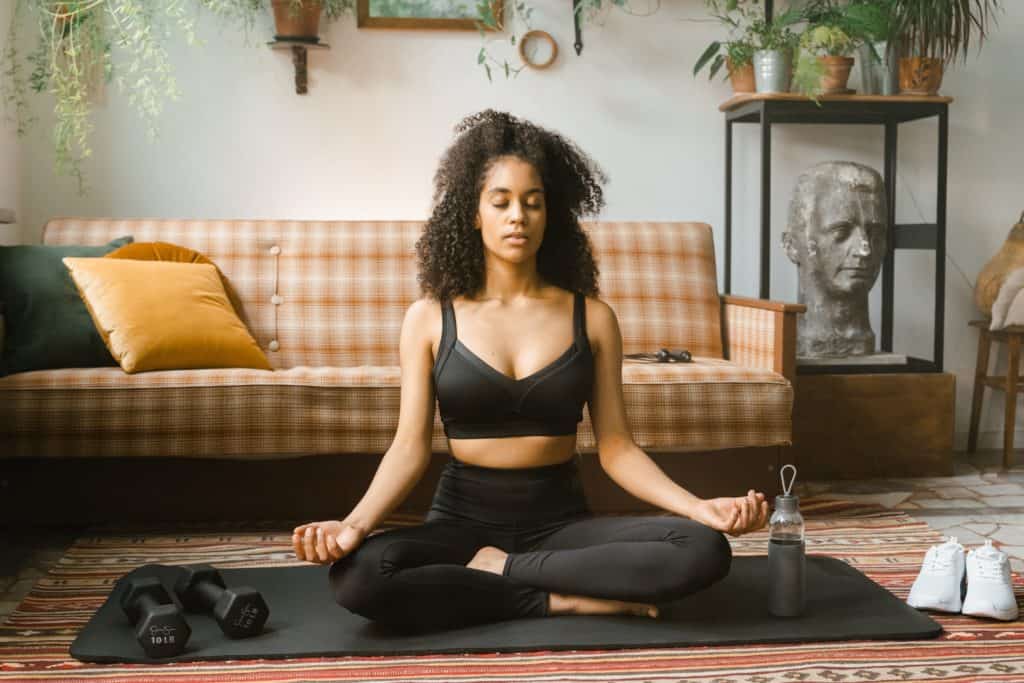
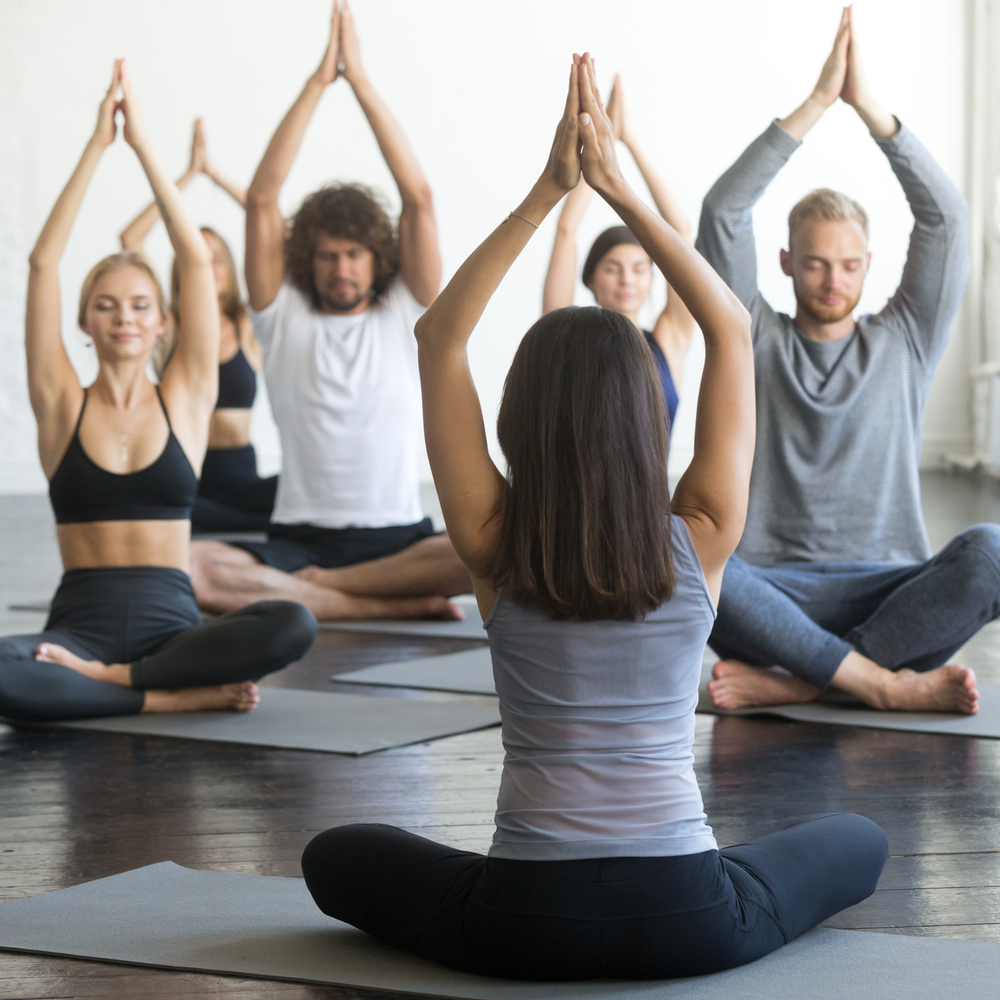
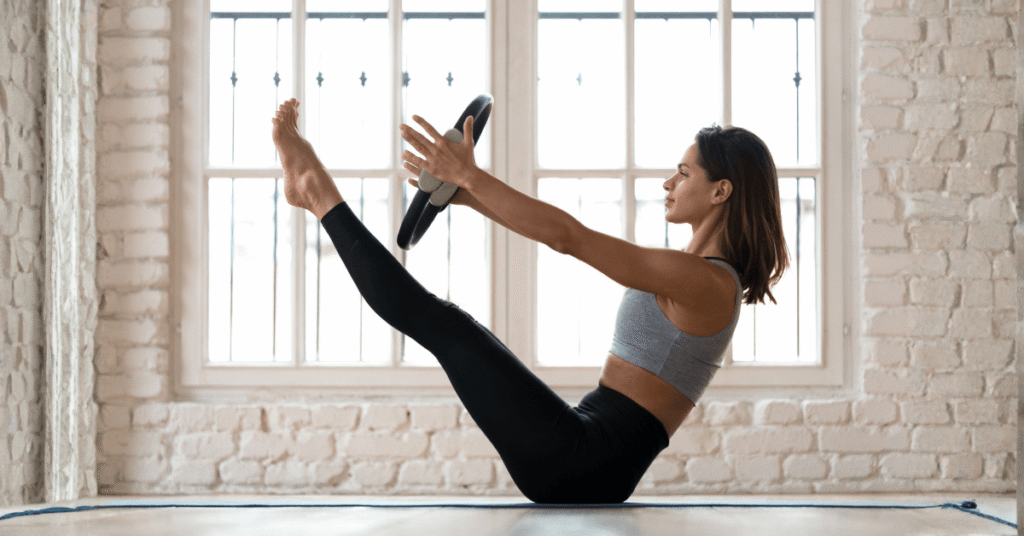
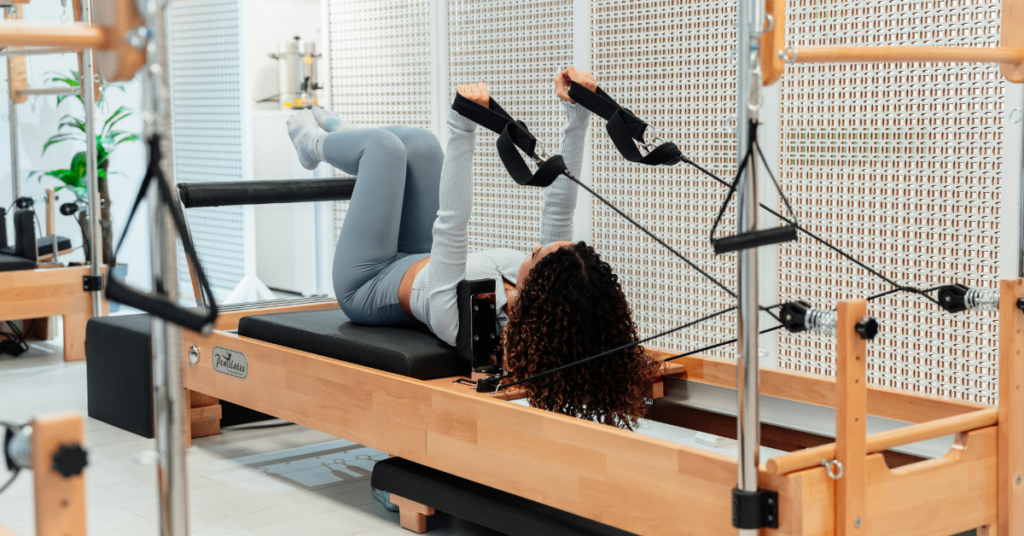
- Flexibility and mobility: Help you keep your range of motion and move smoothly through everyday life. Yoga and Pilates are ideal for this.
- Everyday movement: Hugely underrated, but very important. Taking the stairs, going for walks, cycling or an active commute add extra movement to your day.
| Tip: Combine different types of training and find activities you really enjoy. A routine you can stick with long term matters even more than a perfect training plan. With Urban Sports Club, one membership lets you try different sports until you find your favourites. Here are a few ideas: Getting started with fitness Running for beginners HYROX for beginners Yoga for beginners Pilates for beginners Reformer Pilates for beginners Getting started with meditation Bouldering for beginners Getting started with martial arts Getting started with indoor cycling Getting started with Padel |
2. Longevity and Nutrition

What you eat every day affects your health in many ways. Balanced nutrition supplies your body with important nutrients, supports your metabolism and helps you feel capable and energised. The diets of many particularly long-lived populations are mostly plant-based: vegetables, fruit, legumes, whole grains, nuts and healthy fats are on the menu regularly. Add a protein source of your choice, of course.
| These eating habits can support your longevity: Eat more plants Add vegetables, fruit, legumes and whole grains to your meals regularly. Go for healthy fats Nuts, seeds, olive oil and avocados provide valuable unsaturated fatty acids. Get enough protein Protein supports maintaining and building your muscles, especially in combination with strength training. Since you start losing muscle mass from 30 onwards, it’s worth taking a look at your protein intake. Choose minimally processed foods Fresh, nutrient-rich ingredients are a good foundation. Drink enough water Good hydration supports numerous bodily functions. |
You don’t need to follow strict diet rules or give up everything you enjoy. The Mediterranean diet is a good example of an eating style you can stick with long term.
| A tip from Okinawa: The rule “Hara Hachi Bu” reminds you to stop eating when you are about 80 percent full. |
3. Longevity and Sleep: Recovery Shouln’t Be a Luxury

You train regularly, eat a balanced diet and are always on the go? Then don’t underestimate another important factor: your sleep.
While you sleep, numerous recovery processes take place in your body. Your brain processes information, your immune system gets to work and your body recovers from the strains of the day. Chronically too little sleep is also linked to a higher risk of cardiovascular disease and mood swings. For most adults, seven to nine hours a night is a good guideline. Besides duration, quality matters too. Hormonal changes, for example during the menstrual cycle, pregnancy or menopause, can disrupt women’s sleep.
| How to support your sleep: 1. Keep your bedtime and wake-up time as regular as possible. 2. Develop a relaxing evening routine. 3. Cut down on screen time and stimulating input before bed. 4. Make your bedroom dark, quiet and pleasantly cool. 5. Avoid intense workouts right before bed if they keep you from falling asleep. |
After all, training sets the stimulus; adaptation and recovery happen afterwards. So give your body enough time to recover.
4. Social Connections: Life Is Healthier Together

Longevity doesn’t just happen on your training plan or your plate. The people around you also shape your wellbeing and health. Close friendships, a stable social circle and regular shared activities give you support, strengthen your sense of belonging and can counteract stress and loneliness. In the Blue Zones, too, shared meals, family time and friendships play a central role. On Okinawa there’s even a name for it: in so-called moais, groups of around five friends commit to supporting each other for life.
| How to strengthen your social connections: 1. Meet up with friends and family regularly. 2. Discover shared hobbies and activities. 3. Exercise in a group or train with a workout buddy. 4. Take time for conversations and face-to-face meetings. 5. Get involved in a community, club or group. |
Sport in particular combines two longevity factors: movement and community. Being active together is not only more fun, it also helps you stay on track in the long run. With Urban Sports Club, you can find a community in lots of different sports.
5. Mental Wellbeing and Stress Management: Find Your Balance

A long, healthy life doesn’t mean being as productive as possible every single day. Breaks, relaxation and mental balance are part of it, too. Chronic stress can affect your sleep, your mood and various processes in your body. All the more reason to create balance on purpose. Even in the Blue Zones people feel stress, but fixed routines help them let go: on Ikaria people take an afternoon nap, on Okinawa they remember their ancestors every day.
Another aspect is what’s known as purpose: the feeling of having meaning or a mission in life. On Okinawa it’s called “ikigai”, in Nicoya “plan de vida”, loosely translated: the reason you get up in the morning. Whether it’s career goals, personal projects, family or hobbies: having something that drives you can positively influence your wellbeing.
| How to bring more balance into your day: 1. Schedule deliberate breaks between your daily tasks. 2. Try meditation, breathing exercises or yoga. 3. Spend time in nature. 4. Set realistic goals and celebrate small wins. 5. Make time for activities that bring you joy. |
Longevity doesn’t mean optimising your life down to the last detail. It’s about finding a balance that feels good and suits you in the long run.
How Can You Build Longevity Into Your Everyday Life?

The good news: you don’t have to change everything overnight. Longevity starts with small habits that you stick to regularly. Focus on a few changes you can really keep up.
| Morning Start with a balanced breakfast and a bit of movement. During the day Take the stairs instead of the lift and go for a walk at lunchtime. Training Combine strength, endurance and flexibility, with at least two strength sessions a week, and allow for enough recovery. Eating Go for varied, minimally processed foods and enough protein. Evening Consciously shift down a gear, spend time with people who matter to you and make sure you get enough sleep. |
Longevity and Urban Sports Club

A healthy lifestyle doesn’t have to be perfect, it should above all fit your life. That’s exactly where Urban Sports Club supports you.
| How Urban Sports Club supports you with longevity: Movement With over 50 activities, you’ll always find something you enjoy, from strength training and swimming to yoga. Community Meet like-minded people, train together and make new friends. Recovery Support your recovery on purpose, for example with wellness, sauna, meditation or yoga. Wellbeing Apps With an annual or 2-year membership, you also get free apps that support your wellbeing and your longevity, for example for your sleep and your nutrition. |
The most important thing: Find your own rhythm. Longevity is not a sprint, it’s a lifestyle. It’s the small decisions you make every day that count in the long run.
So: keep moving, try new things, spend time with your favourite people and don’t forget to give your body a break now and then. Because an active, healthy life doesn’t start at some point in the future, but today.
Frequently Asked Questions About What is Longevity
Longevity means a healthy long life. The goal is to live as long as possible while staying physically and mentally healthy, fit and independent.
Lifespan describes how old you get. Healthspan describes how many of those years you spend in good health. Longevity is mainly about extending your healthspan.
The most important pillars are regular movement, balanced nutrition, enough sleep, social connections and mental wellbeing. All of these areas influence each other.
Regular movement supports cardiovascular health, preserves muscle mass and flexibility and can reduce the risk of various chronic diseases. A combination of strength training, endurance training and mobility work is particularly effective.
From around the age of 30, the body gradually loses muscle mass. Regular strength training can counteract this, strengthen bones and joints, lower the risk of falls and help you stay independent as you age. At least two sessions per week are recommended. For women, strength training is especially worthwhile during and after menopause, because falling oestrogen levels can speed up the loss of muscle and bone.
A mostly plant-based, varied diet with plenty of vegetables, fruit, legumes, whole grains, nuts and healthy fats is considered a good foundation. Getting enough protein is also important for preserving muscle.
Yes! A healthy lifestyle pays off at any age. Regular movement, balanced nutrition, enough sleep and social contact can make a positive contribution to your health in every phase of life.